10 Native Foods and Their Cultural Significance: Reviving Indigenous Food Sovereignty
Traditional Native American foods are deeply tied to Indigenous cultures, communities, and ecosystems. Today, a powerful movement toward food sovereignty is reclaiming pre-colonial foodways to promote health, heritage, and sustainability.
Here are ten traditional Native foods and their cultural importance:
1. Corn (Maize)
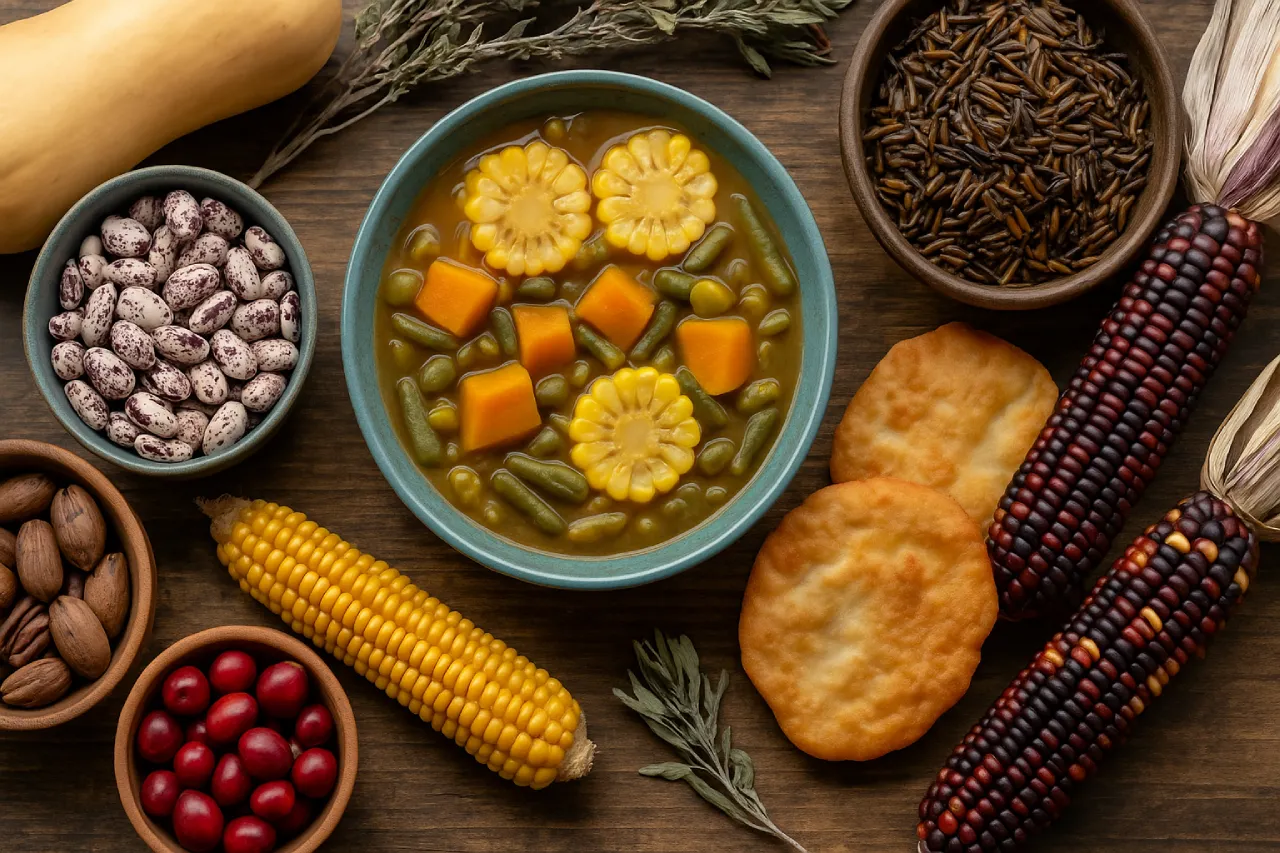
Corn is sacred in many Indigenous cultures, notably revered among tribes like the Hopi and Cherokee. Corn symbolizes life and renewal and is central in ceremonies and traditional meals.
2. Wild Rice (Manoomin)
Vital to the Ojibwe and other Great Lakes tribes, wild rice is hand-harvested from lakes and rivers. It symbolizes nourishment and connection to ancestral lands.
3. Bison
Essential to Plains tribes like the Lakota and Cheyenne, the bison provided food, shelter, and spiritual sustenance. Today, bison restoration efforts symbolize cultural revitalization.
4. Salmon
Sacred to Pacific Northwest tribes such as the Nez Perce and Chinook, salmon represents abundance, resilience, and ecological balance.
5. Squash
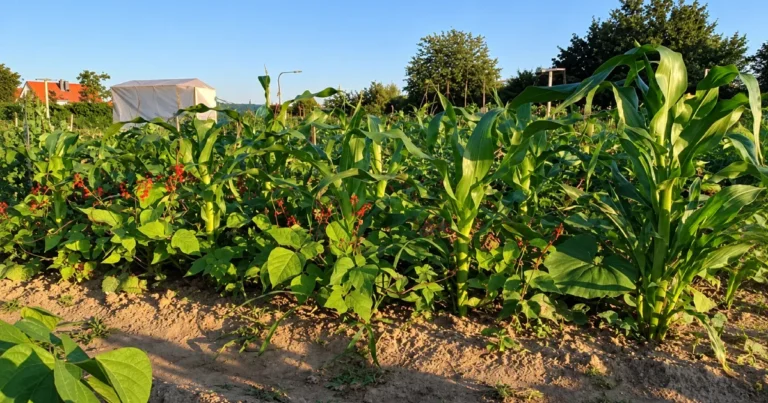
Part of the Three Sisters crops alongside corn and beans, squash is integral to traditional planting methods that promote sustainability and soil fertility.
6. Beans
Beans are protein-rich companions in the Three Sisters system, supporting the growth of corn and squash while symbolizing interdependence.
7. Blue Corn
Especially significant to Pueblo peoples, blue corn is used ceremonially and nutritionally, highlighting the interconnectedness of agriculture and spirituality.
8. Chilies
Used extensively by Southwest tribes like the Navajo and Pueblo, chilies carry cultural identity, flavor traditions, and medicinal value.
9. Amaranth
Historically cultivated by Aztec and Indigenous peoples across the Americas, amaranth seeds symbolize endurance and are making a modern comeback for their nutrition and resilience.
10. Maple Syrup
Important to Northeast tribes such as the Anishinaabe and Haudenosaunee, maple syrup harvesting celebrates seasonal cycles and community cooperation.
Understanding Food Sovereignty
Food sovereignty means reclaiming Indigenous rights to grow, access, and control traditional food sources sustainably. Indigenous communities across North America are revitalizing ancestral agriculture, protecting biodiversity, and improving health outcomes through culturally relevant diets.
Frequently Asked Questions
What is the Three Sisters planting method?
The Three Sisters planting method involves planting corn, beans, and squash together. Corn provides structural support, beans add nitrogen to the soil, and squash prevents weeds and retains moisture.
What kind of diet did the majority of Indigenous people of America have?
Traditional Indigenous diets were primarily plant-based, consisting of corn, beans, squash, wild rice, berries, nuts, and supplemented with sustainably hunted game and fish.
How are tribes addressing food sovereignty today?
Tribes address food sovereignty by establishing seed banks, revitalizing traditional agriculture, creating community gardens, and promoting local, culturally appropriate food production and education.
What do Indigenous people eat the most?
Staples vary regionally but commonly include corn, beans, squash, wild rice, fish, game, and various native fruits, vegetables, nuts, and seeds.
Conclusion
Reviving traditional Native foods strengthens cultural identity, fosters ecological stewardship, and enhances community health. Supporting Indigenous food sovereignty means respecting ancestral knowledge and empowering Indigenous-led agricultural systems for future generations.