What Is Tribal Sovereignty?
Tribal sovereignty refers to the inherent authority of Indigenous tribes to govern themselves within the borders of the United States. It’s a foundational principle that upholds the political, legal, and cultural rights of Native Nations as distinct governments, not merely ethnic groups.
In this article, we’ll explore what tribal sovereignty means, where it originates, how it operates today, and why it matters in conversations about Native rights, federal policy, and Indigenous identity.
The Meaning of Tribal Sovereignty
At its core, sovereignty means self-rule.
For Native Nations, tribal sovereignty means the legal right to:
- Create and enforce laws on tribal lands
- Govern membership and cultural affairs
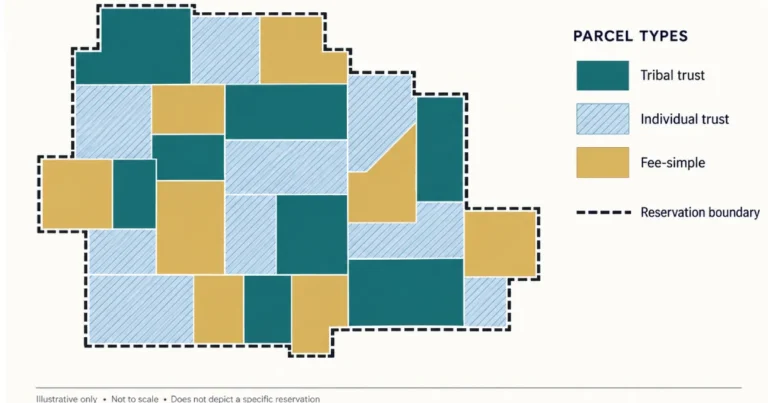
- Manage natural resources and land use
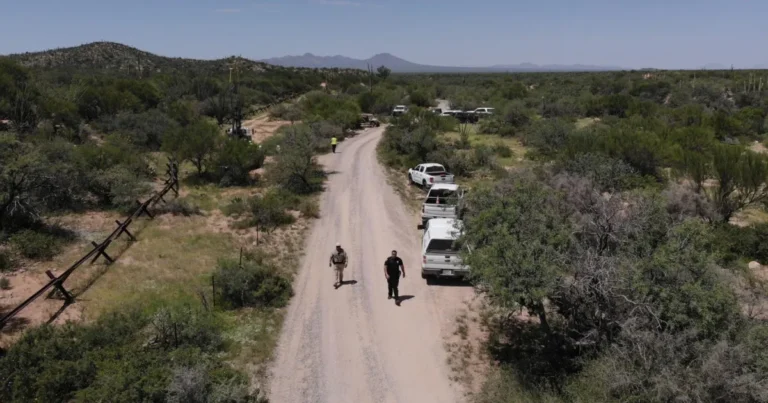
- Operate courts and law enforcement
- Negotiate with federal and state governments
These powers are not granted by the U.S. government — they are inherent, rooted in pre-colonial nationhood. Tribes were sovereign long before the founding of the United States.
Where Does Tribal Sovereignty Come From?
Tribal sovereignty has deep historical and legal roots:
- Pre-contact history: Indigenous Nations governed themselves for centuries before European colonization.
- The U.S. Constitution recognizes tribes as distinct political entities (Article I, Section 8).
- Treaties: Between the 1700s and 1800s, the U.S. signed over 370 treaties with tribes — legally binding agreements that affirmed tribal status and land rights.
- Supreme Court Decisions: The “Marshall Trilogy” (early 1800s) set key precedents:
- Cherokee Nation v. Georgia (1831): Described tribes as “domestic dependent nations.”
- Worcester v. Georgia (1832): Affirmed that states cannot interfere with tribal governance.
Tribal, Federal, and State Relationships
Tribal governments operate within a unique framework:
| Government Type | Relationship to Tribes |
|---|---|
| Tribal | Sovereign governments with authority over their citizens and territory |
| Federal | Has a government-to-government relationship with tribes |
| State | Limited authority; states generally cannot interfere in tribal matters unless authorized by Congress |
This is known as a “trust relationship” — the federal government is legally obligated to protect tribal rights, lands, and interests.
Limits on Tribal Sovereignty
While tribes are sovereign, their powers are not absolute. Over time, Congress and the courts have imposed restrictions:
- Congress can limit tribal powers through federal laws
- Tribes cannot print money or declare war
- Jurisdictional issues (e.g., over non-Natives on tribal land) remain complex and often contested
Despite these limitations, tribal governments continue to exercise vital authority in areas like education, healthcare, economic development, and law enforcement.
Why Tribal Sovereignty Matters Today
Tribal sovereignty is not just legal—it’s a living, evolving force that:
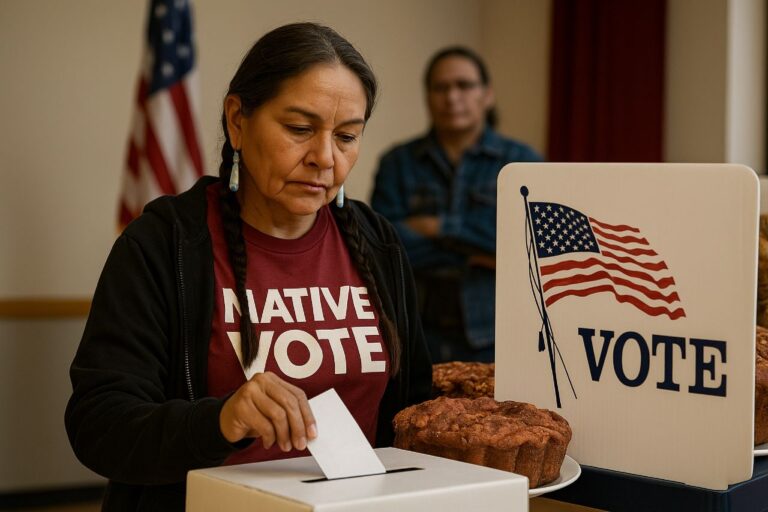
- Protects cultural identity and self-determination
- Upholds treaty rights, land access, and resource stewardship
- Supports tribal courts, police forces, and education systems
- Strengthens Native economies through self-governed enterprises
Challenges such as pipeline disputes, ICWA (Indian Child Welfare Act) cases, and the Land Back movement often center around questions of sovereignty.
Key Examples of Sovereignty in Action
- Standing Rock Sioux Tribe: Used sovereignty to oppose the Dakota Access Pipeline.
- Navajo Nation: Operates its own police force, courts, and elected government.
- Mashpee Wampanoag: Continues fighting for federal recognition of its lands and governance.
Frequently Asked Questions
Are Native American tribes part of the U.S. government?
No. Tribes are separate, sovereign governments that pre-date the United States.
Can states pass laws that apply to tribes?
Generally, no. States cannot interfere in tribal governance unless explicitly allowed by Congress.
Do all Native Americans live under tribal law?
Only tribal members living on tribal land are fully subject to tribal jurisdiction. Others may fall under state or federal law depending on the situation.
Conclusion
Tribal sovereignty is a cornerstone of Indigenous rights in the U.S.
It affirms that Native Nations are not relics of the past, but living governments with the power to shape their own future. Understanding this concept is key to respecting Native self-determination and upholding justice.
As issues of land, identity, and autonomy continue to evolve, tribal sovereignty remains a critical lens for interpreting law, policy, and Native resistance.