The Navajo Nation (Diné): History, Culture & Today
Navajo Nation (Diné)—from origin stories and the Long Walk to modern governance, language revitalization, infrastructure, and visiting guidance.
At-a-Glance (Quick Facts)
- Name: Diné (self-name); Navajo Nation (government)
- Homeland: ~27,425 sq mi across AZ, NM, UT (largest tribal land base in the U.S.).
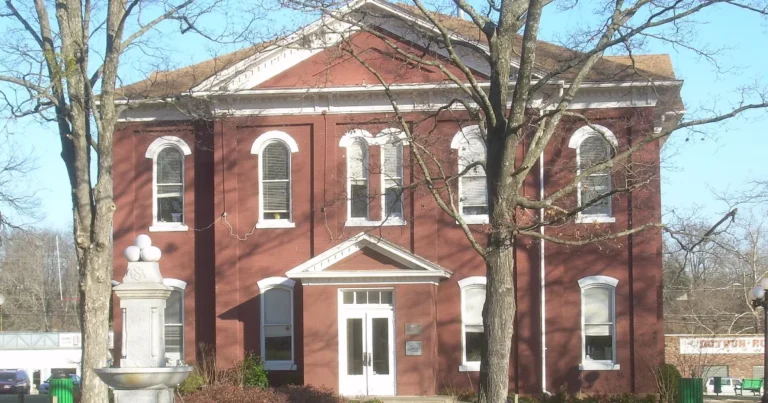
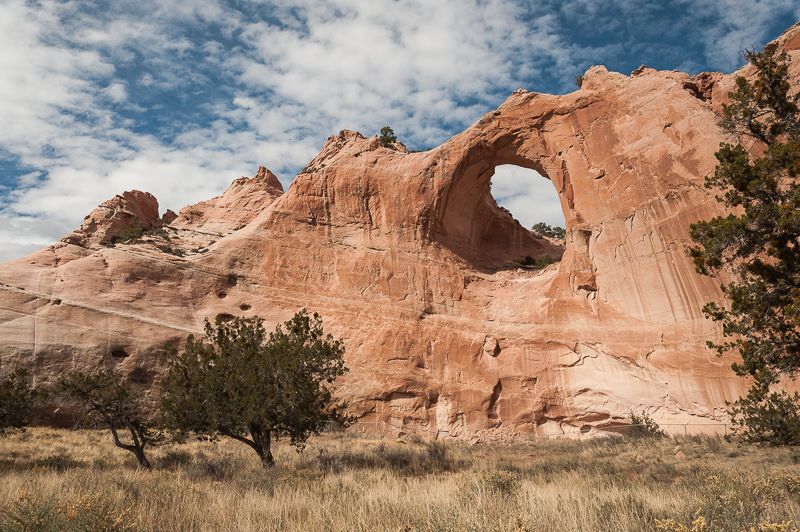
- Capital: Window Rock (Tségháhoodzání), Arizona.
- Population on reservation (2020): ~165,158 (many Diné live off-reservation).
- Government: Three branches; unicameral Navajo Nation Council with 24 delegates; 110 local Chapters; Judicial Branch with District Courts & a Supreme Court.
- Language: Diné Bizaad. 2024–25 actions elevated Diné Bizaad as the official language via council legislation and a presidential executive order.
- Iconic places: Monument Valley Navajo Tribal Park; Canyon de Chelly.
Foundational Beliefs & Emergence
Diné teachings describe emergence through successive worlds into the present Glittering World. These are living, sacred teachings shared in families and ceremonies; written summaries are necessarily partial and should be approached with respect.
A Journey Through Time
The Long Walk (1863–1868)
Between 1863 and 1866, over 10,000 Diné were forcibly removed to Bosque Redondo at Fort Sumner, New Mexico. The ordeal—known as the Long Walk—involved marches of 250–450 miles, internment, illness, and death. The Treaty of 1868 allowed Diné families to return and rebuild on their homeland.
Navajo Code Talkers (World War II)
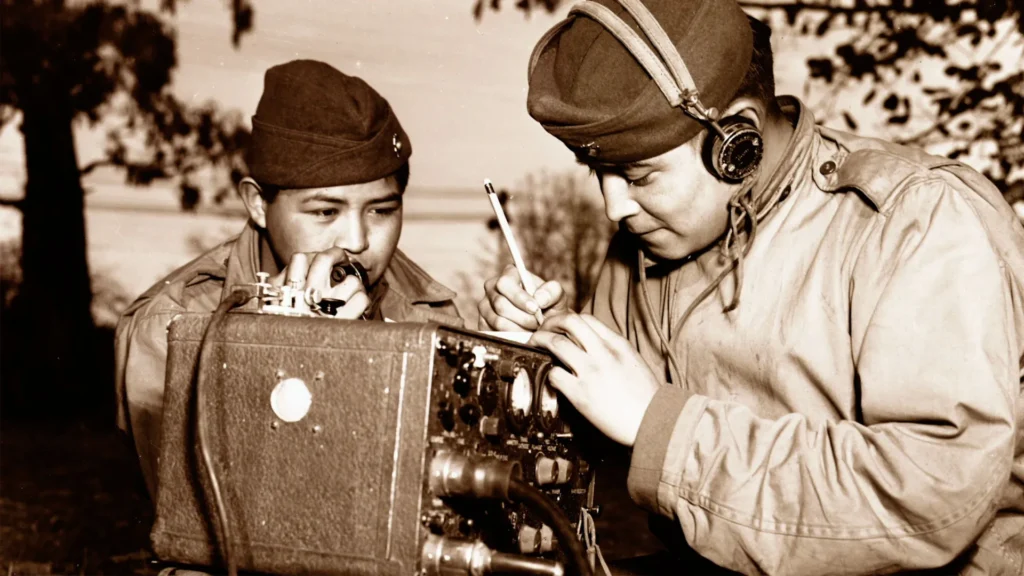
Diné Marines created an unbreakable code based on Diné Bizaad that proved decisive in the Pacific theater. In 2001, the original 29 were awarded Congressional Gold Medals and subsequent Code Talkers received silver medals—belated recognition of extraordinary service.
Language, Home & Lifeways
Diné Bizaad (Language)
In 2024–25 the Nation moved to formally enshrine Diné Bizaad as the official language through council legislation and an executive order directing its use across government communications and signage. These steps underscore a deep, ongoing commitment to language revitalization.
Hogan (Traditional Home)
The hogan is a sacred dwelling and ceremonial space; doors traditionally face east to greet the morning sun. Many families maintain or use hogans today for ceremony and kinship gatherings.
Matrilineal Clans
Diné society is matrilineal. People identify as “born to” (mother’s clan) and “born for” (father’s clan). Clan knowledge guides kinship, responsibilities, and marriage rules (no marrying within one’s own or father’s clan).
Arts & Economy
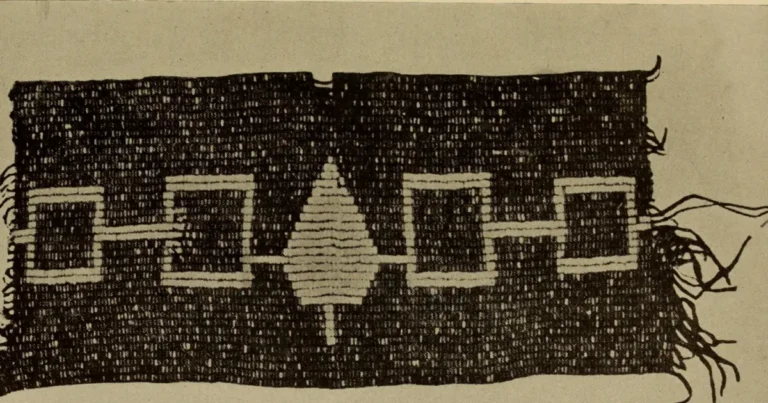
Diné weaving and jewelry are world-renowned—from Two Grey Hills textiles to squash blossom necklaces blending Diné artistry and historic influences. These arts sustain families and carry teachings.
Governance & Civic Life Today
The Navajo Nation exercises sovereign powers through three branches:
- Executive: President & Vice President (current President: Dr. Buu Nygren, sworn in Jan 2023).
- Legislative: Navajo Nation Council, 24 delegates, representing 110 Chapters across 5 agencies.
- Judicial: District Courts, Supreme Court, and Peacemaking programs grounded in Diné values.
The Navajo Nation Today: Priorities & Initiatives
Water Security
Roughly 30% of homes lack running water, reflecting generations of underinvestment and complex legal barriers. In Arizona v. Navajo Nation (2023) the U.S. Supreme Court held the federal government has no affirmative duty to secure water for the Nation—shaping current strategy toward settlements, infrastructure, and community solutions.
Electrification & Renewable Energy
Approximately one-third of homes lack electricity. The Navajo Tribal Utility Authority (NTUA) and partners are expanding grid connections and off-grid solutions (e.g., Kayenta Solar), with revenues helping fund Light Up Navajo to connect families.
Stewardship & Tourism
Monument Valley is tribally managed; national park passes don’t apply, and entry fees support tribal operations. At Canyon de Chelly, new air-tour restrictions aim to protect the site’s cultural significance to the Diné.
Visiting Respectfully (Practical Tips)
- Permits/Fees: Check Navajo Nation Parks & Recreation for current conditions and fees; national park passes aren’t accepted at tribal parks.
- Respect Ceremonies & Homes: Don’t photograph ceremonies or enter hogans without permission.
- Support Local: Buy directly from Diné artists and guides; follow posted rules on sacred lands.
Frequently Asked Questions
Is “Navajo” or “Diné” correct?
Both are used. “Diné” (“the people”) is the self-name; “Navajo Nation” is the government’s name.
What was the Long Walk, in brief?
A forced removal (1863–1866) to Bosque Redondo; families returned after the Treaty of 1868.
Who were the Navajo Code Talkers?
Diné Marines who used their language to create an unbreakable code in WWII; honored by Congress in 2001.
Is Diné Bizaad the official language?
Yes—recent council legislation and a 2025 executive order formalized and operationalized Diné Bizaad as the official language for governmental use.
How is the Navajo Nation governed?
Three branches; a 24-member council representing 110 chapters; an independent judiciary.
Why do Hogan doors face east?
To greet the rising sun; it’s a longstanding teaching and design practice.
How can visitors be respectful?
Ask permission before photos, follow guides’ instructions, and avoid disturbing sacred places.
What are the current priorities?
Water access, home electrification, broadband, housing, education, and economic development—in partnership with Diné institutions and community-based programs.