Native American Symbols 101: Understanding a Rich Visual Heritage
Symbols are a universal language—yet deeply nuanced and culturally specific, especially within Native American cultures. Native American symbols transcend mere images; they form a rich visual language full of historical meaning, spiritual depth, and cultural identity. This article explores prevalent Native American symbols, highlights their meanings, and underscores the importance of respectful engagement with these visual traditions.
Disclaimer: With over 574 federally recognized tribes in the United States alone, meanings can significantly vary. This guide covers general themes and well-known examples but is not exhaustive or universally representative.
The Foundation: Understanding the Worldview
Connection to Nature
Many Native American belief systems emphasize profound spiritual connections to the natural world. Animals, celestial bodies, and natural elements are not just resources but revered as relatives and spiritual guides.
The Circle of Life
Central to many Indigenous cultures is the sacred hoop or medicine wheel. This foundational symbol embodies the interconnectedness of life, seasonal cycles, and the four cardinal directions. It is often used for healing, teaching, and spiritual growth.
Common Symbols and Their General Meanings
Animal Symbols: Messengers and Guides
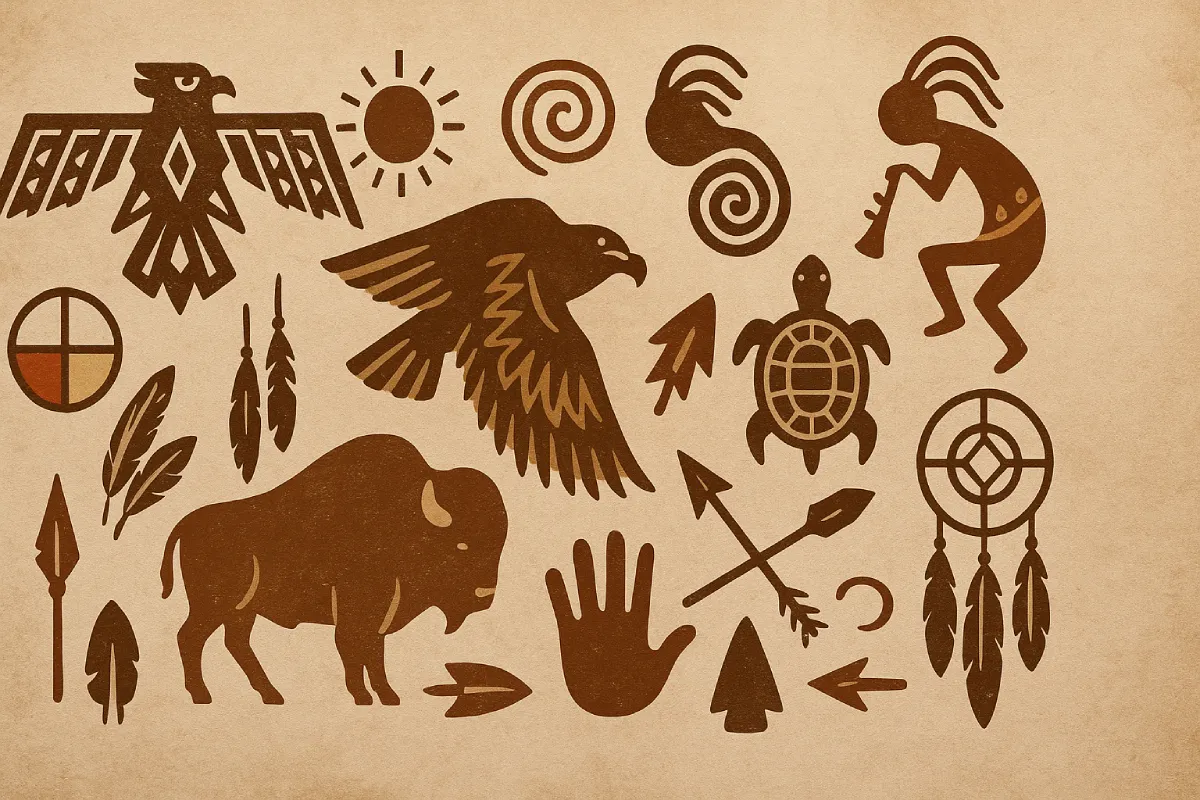
- The Eagle: Represents connection to the Creator, courage, wisdom, and strength. Eagle feathers are sacred and integral to many ceremonies.
- The Bear: Symbolizes strength, courage, familial bonds, and healing. Often revered as a protector.
- The Wolf: Emphasizes loyalty, family unity, teamwork, and effective communication.
- The Turtle: Represents longevity, stability, and Mother Earth. Frequently featured in creation stories as the world’s foundation.
- The Buffalo/Bison: Symbolizes sacred life, abundance, and resilience. Essential to Plains tribes, reflecting harmony with nature.
Celestial and Natural Element Symbols
- The Sun: A universal emblem of life, warmth, abundance, and vitality.
- The Spiral: Represents life’s journey, growth, and the cyclical essence of existence.
Geometric and Object Symbols
- The Arrow: Direction dictates meaning; single arrows often imply defense, while crossed arrows represent friendship, and broken arrows signify peace.
- The Arrowhead: Symbolizes alertness, strength, and protection.
- Feathers: Widely respected as symbols of trust, honor, strength, and wisdom.
- The Handprint: Represents success in combat, human life, protection, and personal strength.
Spiritual and Mythological Figures
- The Thunderbird: A potent spiritual entity symbolizing strength and transformation, associated with storms, thunder, and lightning.
- Kokopelli: A fertility deity depicted as a dancing, flute-playing figure, symbolizing joy, music, abundance, and renewal.
The Sacredness of Symbols and Cultural Appropriation
More Than Art
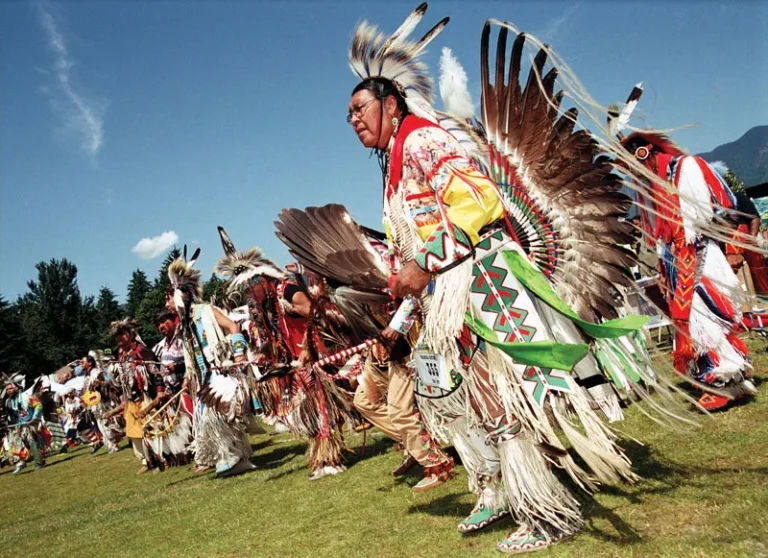
Native American symbols are sacred, often with restricted use within communities, such as eagle feathers and ceremonial headdresses. Their significance surpasses decorative purposes, representing deeply held beliefs and histories.
Defining Cultural Appropriation
Cultural appropriation occurs when individuals or businesses use sacred symbols without permission, understanding, or respect, often commercializing and trivializing profound cultural elements.
Harmful Impacts
Misappropriation perpetuates harmful stereotypes, disrespects spiritual beliefs, and exacerbates historical trauma from colonization and cultural erasure. A common example includes Native American mascots in sports.
Appreciation vs. Appropriation
Respectful appreciation involves:
- Learning from specific tribes and artists
- Purchasing directly from Native creators
- Avoid using sacred symbols casually or commercially
Frequently Asked Questions about Native American Symbols
What is the most important Native American symbol?
There is no single “most important” symbol, as significance varies greatly between the hundreds of distinct tribes. However, symbols like the Eagle Feather and the Medicine Wheel are sacred and widely recognized across many Native cultures, representing a connection to the spiritual world and the balance of life.
Is it okay for a non-Native person to get a tattoo of a Native American symbol?
This is a complex and sensitive issue. Most sources advise against it, especially if the symbol is sacred or specific to a particular tribe with which you have no connection. Such an act can be considered cultural appropriation because it removes the symbol from its cultural context and significance. If considering such a tattoo, thoroughly research its specific meaning and origin and understand why it may be disrespectful.
What do different arrow symbols mean?
The meaning of an arrow symbol changes with its depiction. An arrow pointing left often wards off evil; one pointing right signifies protection; and a downward-pointing arrow can represent peace. A broken arrow is universally recognized as a symbol of peace.
How can I be sure I’m buying authentic Native American art and not a product of cultural appropriation?
Look for art and jewelry sold directly by Native American artists or through reputable galleries and trading posts specifying the artist’s name and tribal affiliation. Be cautious of mass-produced items labeled simply as “Native American-inspired.” The Indian Arts and Crafts Act of 1990 prohibits marketing and selling art as “Native American” if it is not made by a member of a state or federally recognized tribe.
Why are eagle feathers sacred?
Eagle feathers hold profound spiritual significance for many Native American cultures. They symbolize courage, strength, wisdom, and a connection to the Creator. Eagle feathers are often used ceremonially and are highly revered.
What does a dreamcatcher really symbolize?
Originating with the Ojibwe people, dreamcatchers traditionally symbolize protection and comfort, believed to filter out bad dreams and allow only positive dreams to pass through. Each element of a dreamcatcher holds specific meanings and intentions.
Can non-Natives participate in wearing regalia or items respectfully?
Participation varies based on specific items and the context of their use. Many Native regalia pieces and ceremonial items hold deep spiritual and cultural significance and are reserved for members of specific tribes or families. If interested in participating respectfully, always seek guidance and permission from Indigenous community members and cultural leaders.
Conclusion
Understanding Native American symbols requires acknowledging their depth, diversity, and context. Respectful engagement involves recognizing these symbols’ sacredness and supporting Indigenous creators and communities. Continue learning directly from Native sources to honor and preserve these living traditions authentically.