
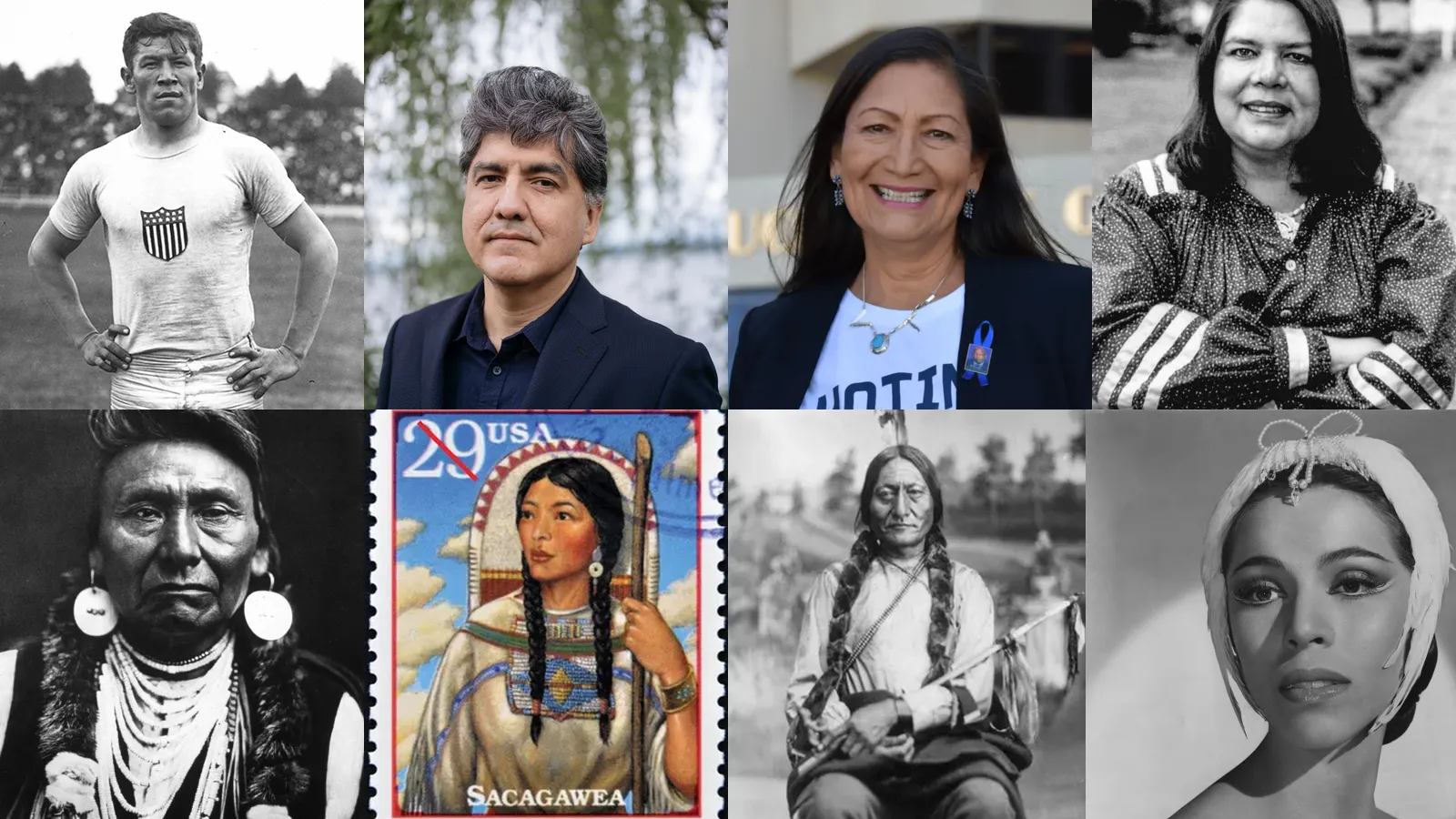
Famous Native Americans
Eight figures whose impact echoes far beyond tribal borders
From resistance leaders who defied U.S. expansion to contemporary artists, athletes and cabinet-level officials, famous Native Americans have shaped every era of North American history. The brief profiles below spotlight eight widely recognized individuals. Think of this as a starting point—there are hundreds more whose stories deserve telling.
1. Historical Leaders & Diplomats
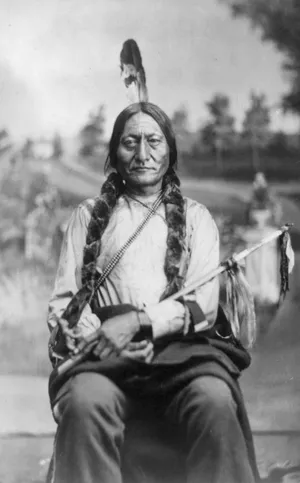
Sitting Bull (Hunkpapa Lakota, c. 1831–1890)
A strategist and spiritual leader, Sitting Bull forged inter-tribal alliances that defeated Lt. Col. Custer at the Battle of the Little Bighorn (1876). After exile in Canada he toured briefly with Buffalo Bill’s Wild West show, ever conscious of his people’s image before returning to Standing Rock, where he was killed in 1890.
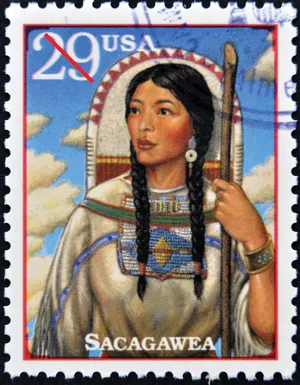
Sacagawea (Lemhi Shoshone, c. 1788–1812)
As a teenager—and new mother—Sacagawea interpreted and negotiated safe passage for the Lewis & Clark Expedition, carrying her infant across 4,000 miles of wilderness. Her calm presence signaled peaceful intentions to unfamiliar nations and kept the Corps of Discovery alive in hungry moments.
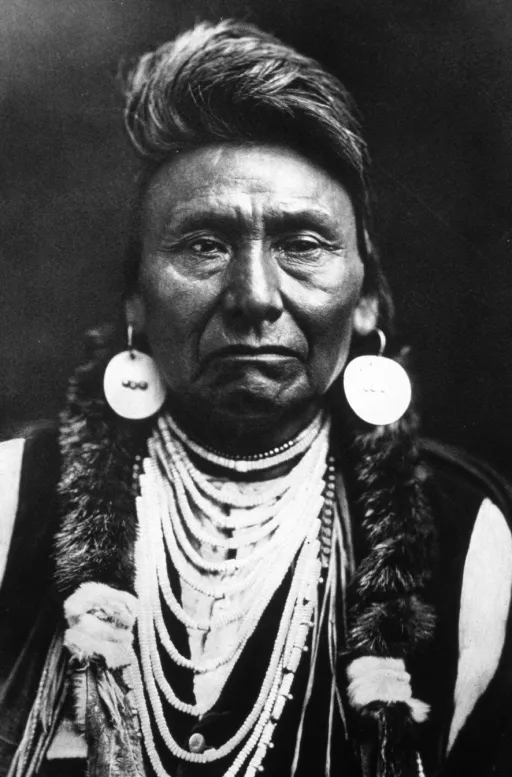
Chief Joseph (Nez Percé, 1840–1904)
Famed for his oratory (“I will fight no more forever”), Joseph led 700 followers on a 1,170-mile tactical retreat toward Canada in 1877, out-maneuvering U.S. cavalry for months before surrendering to save his starving people. His speeches later influenced federal policy debates on Native autonomy.
2. Trail-Blazing Political Leaders
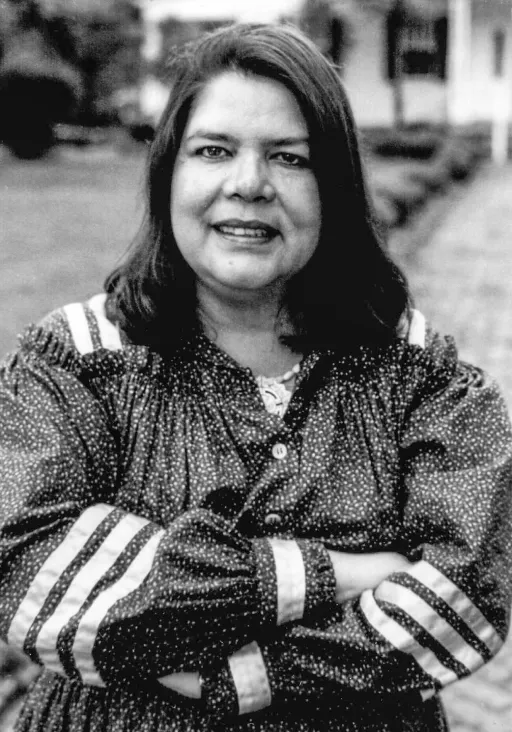
Wilma Mankiller (Cherokee Nation, 1945–2010)
In 1985 Mankiller became the first woman Principal Chief of the Cherokee Nation, doubling tribal employment and tripling enrollment in just ten years through community-driven clinics, housing and language programs. TIME and Vogue documentaries celebrate her servant-leadership model.
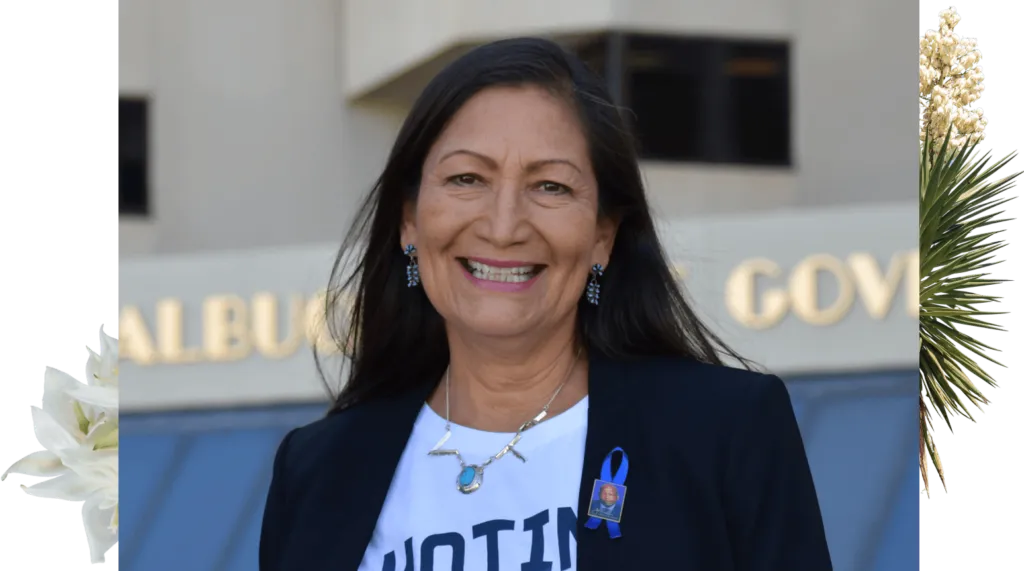
Deb Haaland (Laguna Pueblo, b.1960)
Sworn in 2021 as the first Native American to helm the U.S. Department of the Interior, Haaland oversees one-fifth of U.S. land and leads initiatives on boarding-school truth-telling and renewable energy on tribal lands. Her path ran through grassroots organizing and a historic 2018 congressional win.
3. Artists & Storytellers
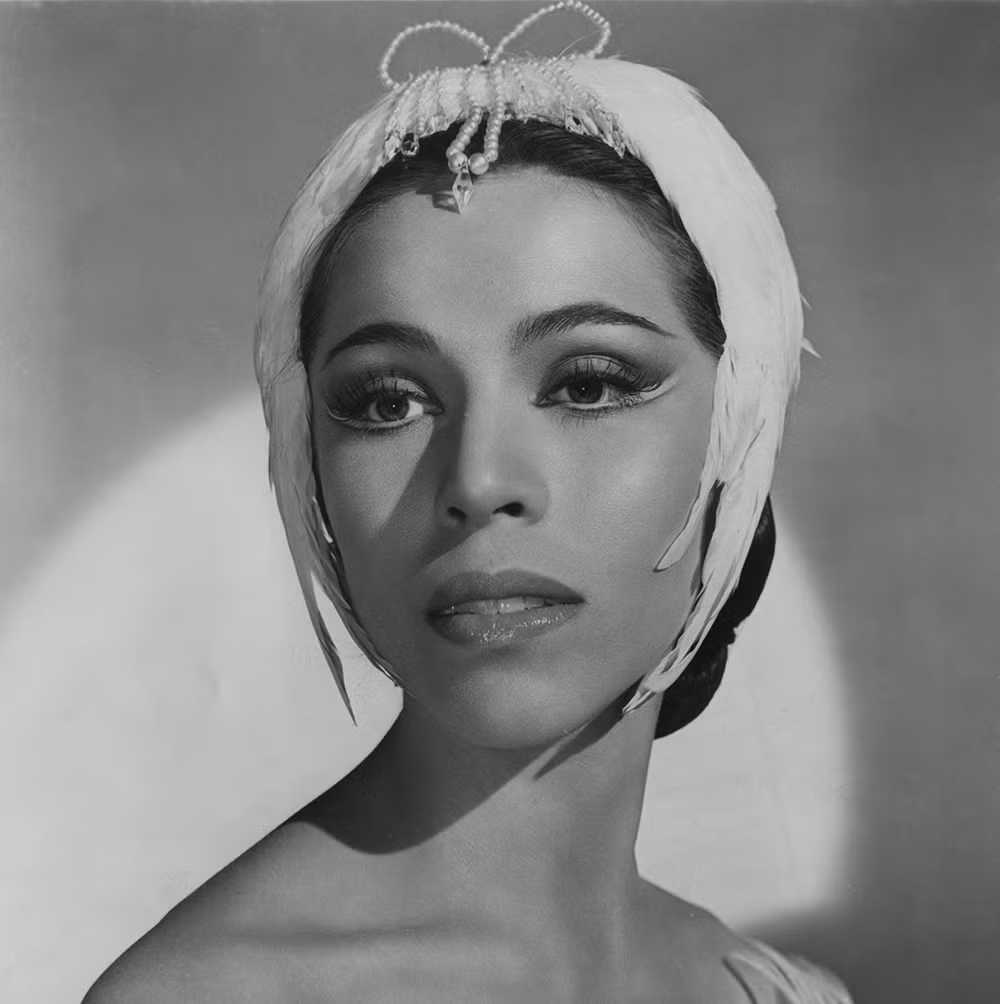
Maria Tallchief (Osage Nation, 1925–2013)
America’s first prima ballerina, Tallchief electrified the stage with New York City Ballet, becoming muse to choreographer George Balanchine in works like Firebird and The Nutcracker. Her success broke ethnic barriers in classical dance and inspired generations of Indigenous performers.
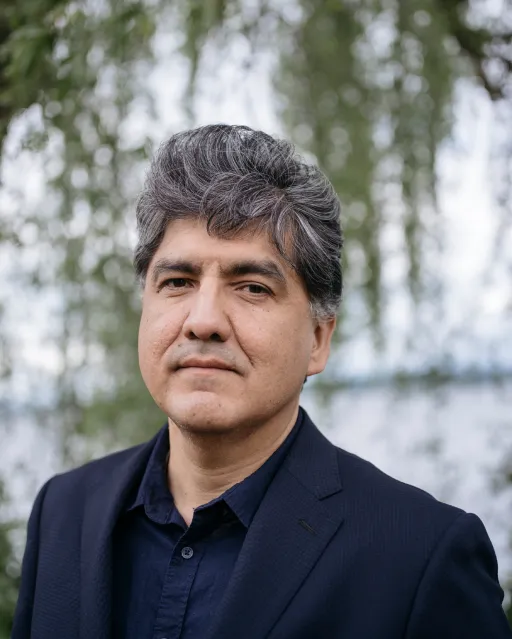
Sherman Alexie (Spokane–Coeur d’Alene, b. 1966)
Winner of the National Book Award for The Absolutely True Diary of a Part-Time Indian, Alexie’s novels, poems and films relay reservation life with humor and grit, reshaping Native representation in mainstream literature despite later controversies.
4. Sports Icons
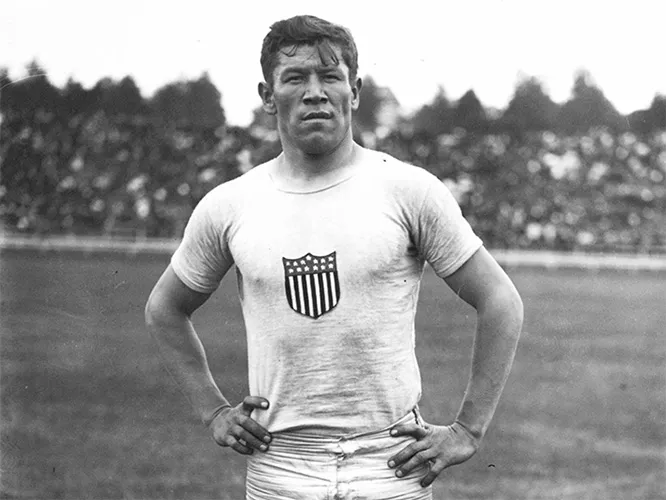
Jim Thorpe (Sac & Fox Nation, 1887–1953)
A two-time Olympic gold medalist stripped (and finally reinstated) for professionalism rules, Thorpe excelled in football, baseball and track, earning the Associated Press title “Most Outstanding Athlete of the 20th Century.” His legacy sparked Native youth programs nationwide.
Why These Figures Matter
- Sovereignty & Policy: Leaders like Haaland and Mankiller translate sovereignty into daily realities—health clinics, land returns, renewable-energy jobs.
- Cultural Visibility: Tallchief and Alexie proved global stages and bestseller lists are Native spaces too.
- Historical Memory: Understanding Sitting Bull or Sacagawea offers antidotes to stereotypes and spotlights nation-to-nation diplomacy that predates the U.S.
Frequently Asked Questions
How were these eight chosen?
They rank among the most-searched Indigenous names online and appear in multiple academic and media “notable Native Americans” lists. The mix spans eras, genders and fields.
Are there famous Native scientists or tech innovators?
Yes—NASA astronauts John Herrington (Chickasaw) and Nicole Mann (Wailacki) are two examples. We’ll profile them in an upcoming STEM feature.
Is Sacagawea’s story fully documented?
Much comes from Lewis & Clark’s journals; scholars debate details of her later life, but her linguistic and diplomatic role is well-attested.
Where can I learn about regional heroes?
Start with tribal historic-preservation offices or local museums; many host oral-history archives not yet digitized.
Why isn’t Pocahontas on this list?
She’s well-known but often romanticized; we focused on figures whose primary sources let us separate myth from documented achievement.
Conclusion
These eight remarkable individuals show just a glimpse of the talent, perseverance, and vision Native peoples have contributed to every corner of society—from diplomacy and dance to Cabinet-level policymaking. Their lives remind us that Indigenous history is not confined to the past; it is evolving daily in courtrooms, studios, sports arenas, and government halls.
Were you already familiar with all of these trailblazers?
Tell us in the comments which figures surprised you—and, more importantly, which other Native Americans you believe deserve the spotlight. Share their names, Nations, and accomplishments so we can keep celebrating Indigenous excellence and grow this list together. Your insights will help ensure even more voices and stories are heard.
