Smudge 101: Origins, Medicines & Respectful Practice
Honoring the medicines, respecting the cultures
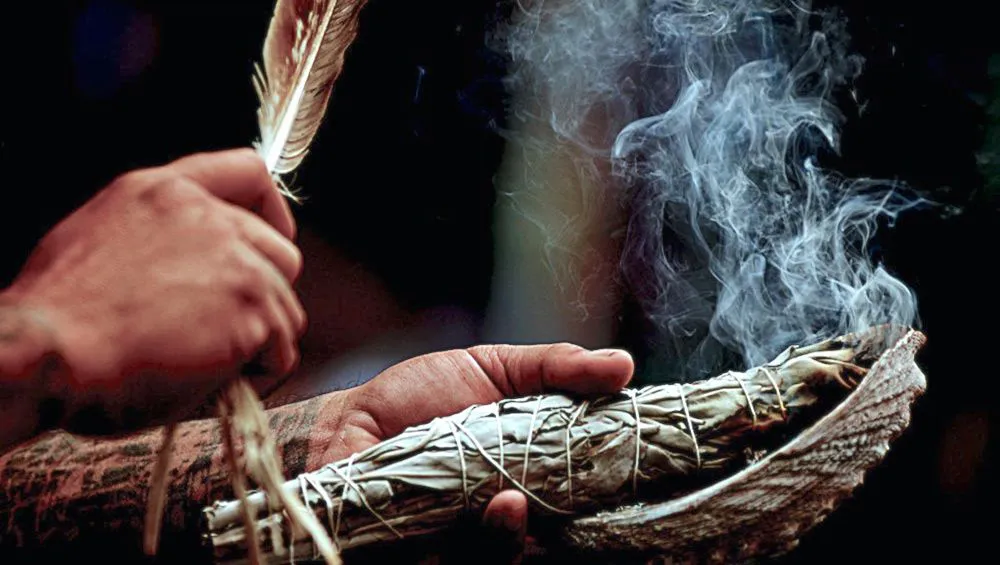
Smudging is the act of burning sacred plants to cleanse mind, body and spirit. While many Nations share comparable practices, each has its own protocols. This guide covers the most common medicines, when and how to smudge, safety tips, and how to avoid cultural appropriation.
Medicines Most Often Used
| Plant | Region / Nation | Purpose & Notes |
|---|---|---|
| Sage (Salvia apiana & Artemisia tridentata) | Plains, Southwest, California | Clears negative energy, opens prayer. White sage is over-harvested—choose tribe-harvested or garden varieties. |
| Sweetgrass (Hierochloë odorata) | Great Lakes, Prairies | “Hair of Mother Earth”; braided and burned for blessings and gratitude. |
| Cedar (Thuja or Juniper spp.) | Pacific NW, Boreal forests | Protection, grounding. Often burned with tobacco in the Four Directions. |
| Tobacco (Nicotiana rustica or tabacum) | Many Nations | Carrier of prayers; offered before harvesting other medicines. Rarely used alone indoors. |
Tip: Buy from Indigenous gatherers or grow your own garden sage; skip mass-market white-sage bundles labeled “California mystic.”
Basic Smudging Protocol
- Gather tools
- Abalone shell or clay bowl (fire-safe)
- Eagle or turkey feather only if gifted; otherwise fan by hand
- Matches (wood) or a coal from a sacred fire
2. Set intention
- Offer a quiet prayer or thought; smudging is not air-freshener.
3. Light the medicine
- Touch flame briefly; let it smolder. Do not blow—fan gently.
4. Cleanse yourself first
- Fan smoke over head, eyes, mouth, heart, down arms and legs.
5. Clockwise walk or fan
- In a room, start east and move sun-wise, fanning smoke toward walls and corners.
6. Extinguish respectfully
- Press embers into sand or earth; never run under water.
Safety & Environmental Considerations
- Ventilation: Open a window—smoke carries what you release.
- Allergies & asthma: Use cedar tea-steam or water-based mist instead.
- Fire risk: Use small pinches; keep water or sand nearby.
- Sustainable harvest: Pick only what you need; leave tobacco; thank the plant.
- Indoor policies: Some workplaces allow smudge under “cultural rights” clauses—check local law and building rules.
Respect vs. Appropriation
| Respectful | Appropriation |
|---|---|
| Invited to smudge by a Knowledge Keeper or host Nation | Selling kits labeled “Native cleanse” without tribal ties |
| Learning protocols from elders or credited Indigenous authors | Posting “remove all bad vibes” videos with no cultural context |
| Purchasing medicines from Native vendors | Mass-harvesting white sage on public land |
When to Smudge
- Daily personal grounding
- Before ceremonies: powwows, sweat-lodges, naming ceremonies
- After conflict or grief
- Blessing a new home, drum or regalia
- Community events: school openings, council meetings (when permitted)
Learn More about Smudging
Frequently Asked Questions
Is white sage endangered?
White sage isn’t on the federal endangered list, but wild stands are threatened by poaching and habitat loss. Buy cultivated or tribally harvested bundles.
Can I use incense instead?
Incense may smell pleasant but lacks the cultural meaning. If smoke is an issue, ask an elder about cedar tea or water smudge alternatives.
Do I need an eagle feather?
No. Eagle feathers require a permit and are traditionally gifted. Use your hand or a plant stem fan instead.
How long should a smudge last?
A personal smudge can take under two minutes. Community smudges vary; let the fire-keeper lead.
Is photos/video allowed during smudging?
Often it is discouraged. Always ask the ceremony leader before recording.
Key Takeaways
- Smudging is prayer, not trend—treat the plants, people and protocols with respect.
- Start small: a pinch of sustainably sourced medicine, a clear intention.
- When unsure, ask an elder or Knowledge Keeper; local customs override any online guide.