California Funds Return of Nearly 40,000 Acres to Quartz Valley Tribe
California has approved financing that will allow the Quartz Valley Indian Reservation to reclaim nearly 40,000 acres of ancestral land in the Klamath River Basin—almost 200 times the size of the Tribe’s present reservation.
The State Water Resources Control Board announced the decision July 24 after adopting a resolution authorizing a $25 million, zero-interest loan for the Scott River Headwaters Project.
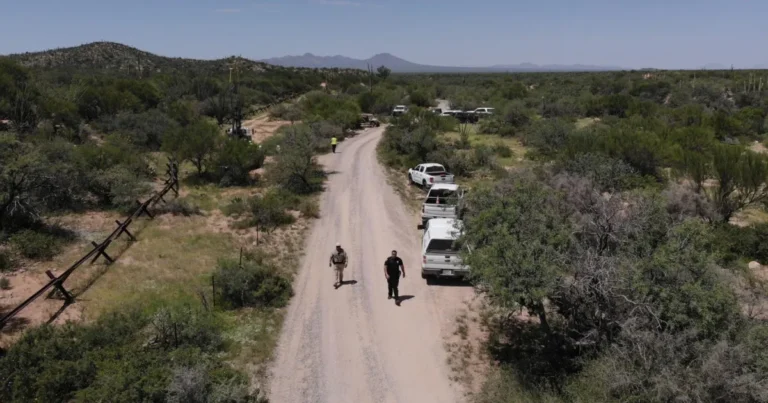
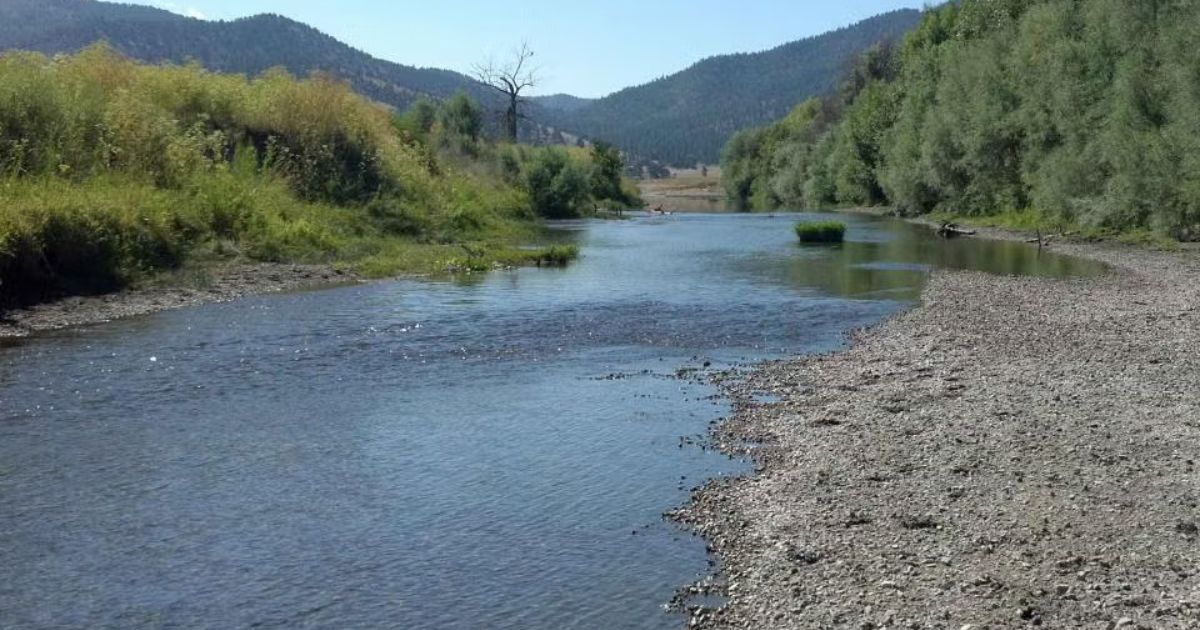
The land borders the existing Quartz Valley reservation in Siskiyou County and contains the headwaters of tributaries flowing into the Scott River, an important part of the larger Klamath River watershed.
California describes the planned acquisition as the state’s second-largest Tribal land-return transaction by acreage and the largest such transaction in the United States expected to be completed through a single purchase. The state’s description should remain attributed until the acquisition closes and final acreage is recorded.
“The return of the Scott River Headwaters Project lands to the Quartz Valley Indian Reservation marks a truly historic moment for our people, our neighbors, and the entire Scott River watershed,” Tribal Chairman Leonard Lincoln said in the State Water Board’s official announcement.
Rebuilding a land base after termination
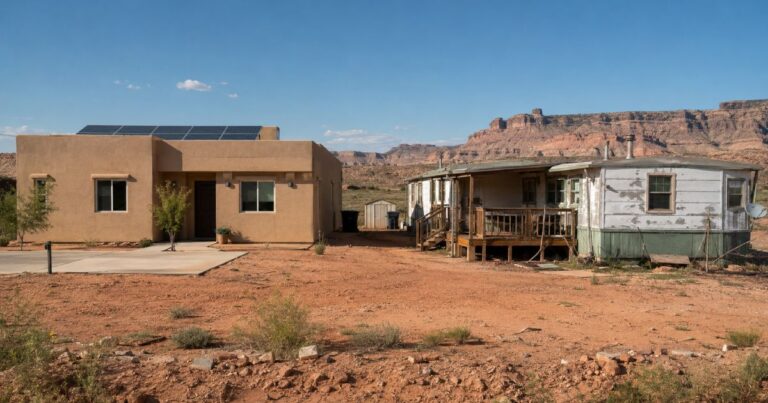
Quartz Valley’s current reservation consists of approximately 210 acres, according to the Tribe’s official history of the reservation.
In his statement, Lincoln placed the planned acquisition within a longer history of federal termination and the restriction of the Tribe to a small land base.
Federal termination policies during the mid-20th century attempted to end the recognized political status of numerous Tribal Nations, dissolve trust protections and transfer responsibility for Native affairs away from the federal government. Some terminated Tribes, including Quartz Valley, later regained federal recognition, but restoration did not automatically return the lands lost during that period.
Acquiring almost 40,000 acres would therefore represent more than a conservation transaction. It would restore a significant physical homeland where citizens could hunt, fish, gather plants, practice cultural traditions and exercise greater control over decisions affecting the landscape.
The Trust for Public Land has worked with Quartz Valley and California agencies to organize the purchase. The state says the parties spent approximately 18 months addressing legal questions and defining their responsibilities.
The announcement does not, however, state that the property transfer has already been recorded. The most precise description is that California has approved financing for a planned acquisition.
Salmon restoration at the center
Quartz Valley intends to establish a salmon sanctuary and undertake extensive watershed restoration.
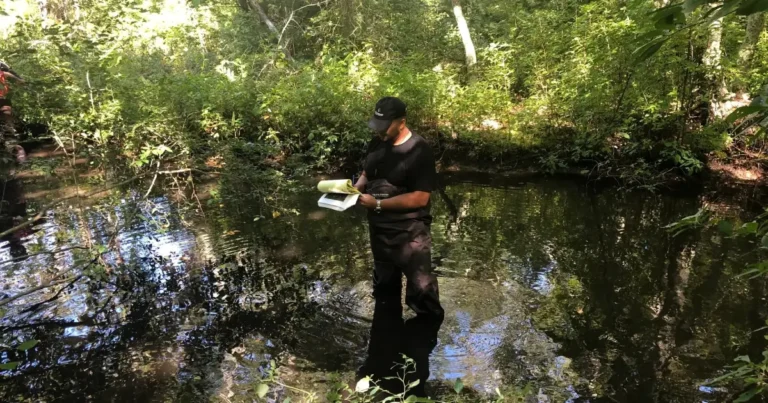
Planned activities include decommissioning unnecessary roads, controlling erosion, preserving vegetation that shades streams and restoring wetlands. Those measures are intended to reduce the amount of fine sediment entering waterways and lower stream temperatures.
Both conditions are important for salmon. Excessive sediment can cover spawning gravel and damage aquatic habitat, while unusually warm water can reduce survival and make fish more vulnerable to disease.
The Tribe also plans to use cultural burning to improve forest health and revitalize native plants. Lincoln said the restoration strategy would combine contemporary conservation science with Traditional Ecological Knowledge.
The headwaters involved are connected to the Scott River and eventually the Klamath. Restoration on the acquired property could therefore benefit habitat beyond the property boundary, although the scale of measurable improvement will depend on implementation, climate conditions, surrounding land uses and long-term monitoring.
An unconventional source of financing
The financing mechanism is itself notable.
The Clean Water State Revolving Fund is a federal-state program ordinarily used for wastewater treatment, water recycling and other infrastructure. California determined that acquiring and restoring the Quartz Valley property qualified because of the expected water-quality benefits.
Although the program normally charges below-market interest, the state made an exception and approved a zero-interest, 30-year loan. The board estimates that the arrangement will save Quartz Valley at least $11 million in interest.
Revenue generated by existing carbon-sequestration projects on the property is expected to repay the loan. That structure allows the land’s existing environmental value to help finance its return without requiring the Tribe to rely exclusively on grants or commercial development.
The approach could become a model for other Tribal land acquisitions where watershed protection, habitat restoration and carbon management overlap. It does not mean that every land-return proposal will qualify; future projects would still require suitable property, repayment revenue and regulatory approval.
California says it has now invested more than $44 million from the revolving fund in Tribal land projects. That includes an $18.75 million zero-interest loan supporting the Yurok Tribe’s acquisition of approximately 47,000 acres in the Klamath Basin across several transactions.
Stewardship comes next
Restoring ownership is only the beginning.
Quartz Valley will need to develop restoration plans, secure any required permits, manage existing carbon projects and sustain work across a property far larger than its present reservation.
The financing decision nevertheless gives the Tribe something that outside consultation cannot provide: direct authority over a substantial portion of its ancestral homeland.
If the transaction closes as planned, Quartz Valley will move from influencing how the Scott River headwaters are managed to becoming the landowner responsible for their future.