The Land Back Movement
Restoring stewardship, healing history
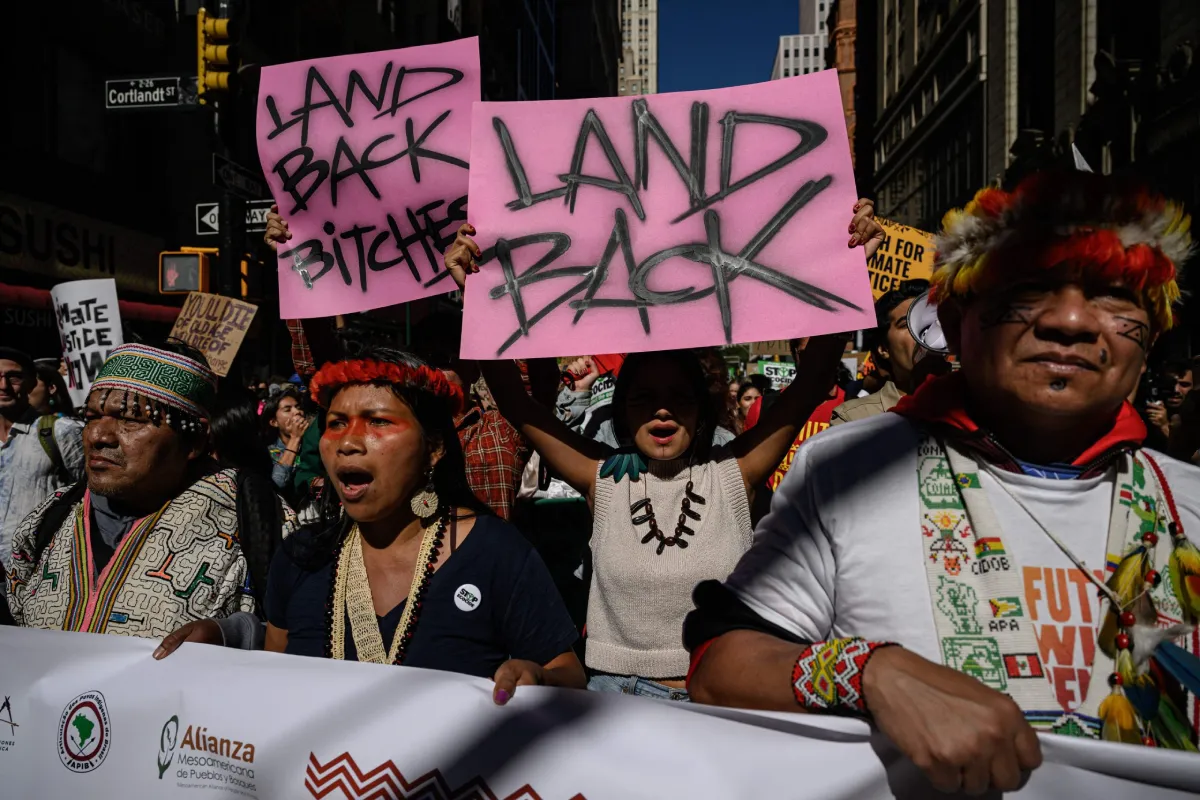
Land Back is a global Indigenous campaign to return stolen or federally controlled ancestral territories to Native nations. Far from eviction rhetoric, Land Back is about sovereignty, ecological revival, and justice—addressing the staggering fact that Indigenous peoples in the contiguous United States lost about 99 percent of their lands since 1492.
What Does “Land Back” Mean?
- Land return or co-management of culturally sacred or economically vital areas.
- Legal recognition that tribes—not state or federal agencies—hold the primary voice in land decisions.
- Ecological stewardship guided by Traditional Ecological Knowledge (TEK), often producing better biodiversity and wildfire resilience than conventional management.
Land Back isn’t a single policy; it’s a spectrum of strategies—from outright title transfers to conservation easements that guarantee perpetual tribal governance.
How 99 % of Indigenous Land Was Lost
| Era | Land-loss mechanism |
|---|---|
| 19th-century treaties & wars | Ceded millions of acres under coercion. |
| Dawes Allotment Act (1887) | Privatized 90 million acres of communal land. |
| Termination & Relocation (1950s-60s) | Dissolved 100+ tribes; urban relocation removed people from homelands. |
| Resource extraction leases | Strip-mining, logging, and dam projects displaced reservation communities. |
These policies severed tribes from hunting grounds, burial sites, and waterways, undermining cultural continuity and economic self-sufficiency.
Recent Land Back Wins
| Year | Site & Tribe(s) | What Happened | Significance |
|---|---|---|---|
| 2019 | Tuluwat (Indian Island)→ Wiyot Tribe (CA) | Eureka city council deeded 200 acres of a sacred World Renewal site back to the tribe. | First known U.S. municipality to return land with no strings attached. (North Coast Journal) |
| 2020-22 | National Bison Range → Confederated Salish & Kootenai Tribes (MT) | Congress transferred 18,800-acre refuge; full tribal management began Jan 2022. | Restores stewardship of an ecosystem taken in 1908 without consent. (Montana Free Press) |
| 2022 | Bears Ears National Monument (UT) | BLM & Forest Service signed a co-management pact with five tribes. | Historic federal acknowledgement that tribes should share equal decision-making authority on 1.9 million acres. (U.S. Department of the Interior) |
| 2018 | Northwestern Shoshone massacre site (ID) | Tribe repurchased 500+ acres at Bear River to create a cultural preserve. | Healing colonial trauma while restoring wetlands and native plants. (Vox) |
How Land Back Benefits Everyone
- Climate resilience – Tribal fire practices lower catastrophic-fire risk; wetland restorations sequester carbon.
- Biodiversity – Tribal lands contain ~80 % of the planet’s remaining biodiversity; returns safeguard habitat corridors.
- Economic renewal – Ecotourism and tribally managed national-park concessions create local jobs.
- Cultural survival – Access to sacred sites keeps languages, ceremonies, and traditional foods alive.
Frequently Asked Questions
Does Land Back mean non-Natives have to move out?
No. Most campaigns target public lands, conservation parcels, or private tracts sold voluntarily. Land Back seeks sovereign decision-making, not mass eviction.
Is Land Back legal?
Yes. Transfers occur via federal legislation, municipal deeds, philanthropic purchases, or conservation easements—each within existing legal frameworks.
What’s the difference between co-management and full return?
Co-management keeps federal title but gives tribes equal say in management plans (e.g., Bears Ears). Full return deeds legal title to the tribe (e.g., Tuluwat Island).
How can I support Land Back?
Donate to Indigenous land trusts, advocate for tribal co-management bills, and respect access rules when visiting returned sites.
Does Land Back help fight climate change?
Studies show Indigenous stewardship often outperforms federal or private management at carbon storage, wildfire mitigation, and biodiversity protection—making Land Back a climate solution.
Key Takeaways
- Land Back addresses centuries of dispossession by restoring sovereignty and stewardship, not exclusion.
- Recent transfers—from Tuluwat Island to the National Bison Range—prove it’s already happening.
- Success depends on federal funding, local alliances, and public understanding that healthy lands and Native governance go hand in hand.
What lands near you have Indigenous significance? Learn their stories, support local tribes’ efforts, and be part of turning the Land Back vision into reality.