Native American Mascots & Cultural Appropriation
From Little League fields to the NFL, the push to retire harmful stereotypes continues
Scope of the Problem
Despite headline-grabbing changes by the Washington Commanders (NFL) and Cleveland Guardians (MLB), a 2023 audit showed nearly 1,900 K-12 schools still using Native-themed names and imagery. Half feature caricatures such as “Redskins,” “Savages,” or cartoon war-bonnet logos.
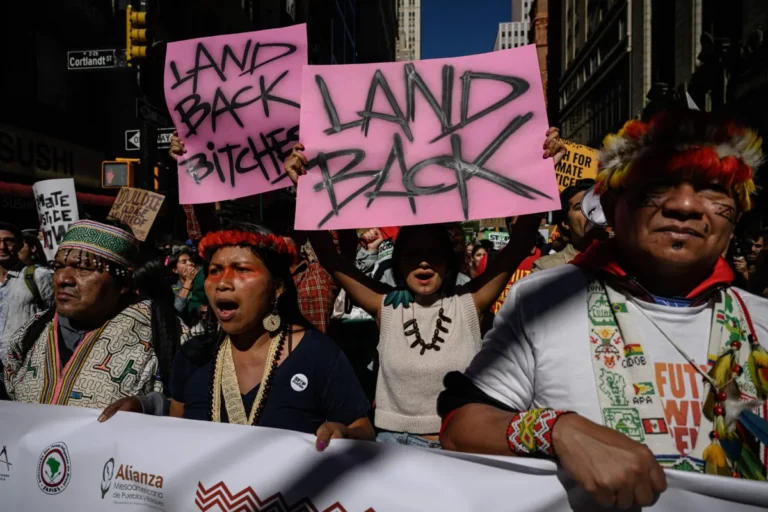
Research summarized by the National Congress of American Indians finds these mascots reduce Native youths’ self-esteem and increase community stress. The American Psychological Association, NCAA, and every major Native organization have called for full removal.
How We Got Here
| Era | Milestone | Impact |
|---|---|---|
| 1900-1960s | Professional teams (Cleveland, Washington, Atlanta) adopt “Indian” branding | Creates national templates for schools to imitate. |
| 1970s-1990s | Native activists file first NCAA & NFL petitions; AIM protest at Super Bowl XXVI | George Floyd protests + corporate pressure from Nike/FedEx/Pepsi force the Washington NFL team to drop “Redskins.” |
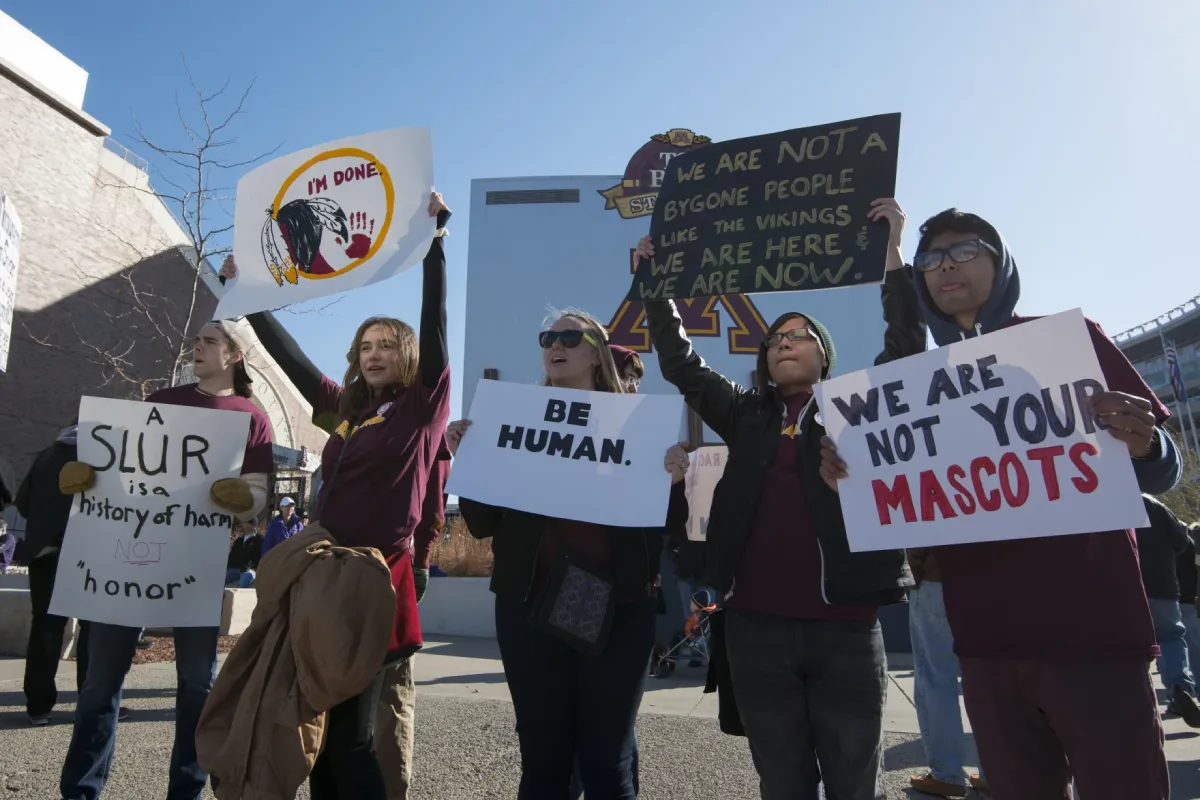
| 2013-2016 | National Congress of American Indians releases #NotYourMascot campaign; President Obama calls for name changes | Public opinion begins to shift. |
| 2020 | State bans in Colorado, Maine, Oregon, Washington, and New York order all districts to drop Native mascots by 2025 | Seeds of the modern movement. |
| 2021-25 | State bans in Colorado, Maine, Oregon, Washington, and New York orders all districts to drop Native mascots by 2025 | Legislative momentum grows. |
Why Mascots Are Harmful
- Stereotype reinforcement – Frozen-in-time “warrior” images erase the diversity of 574+ living nations.
- Psychological harm – Lab studies show Native students exposed to mascots score lower on future-aspiration scales.
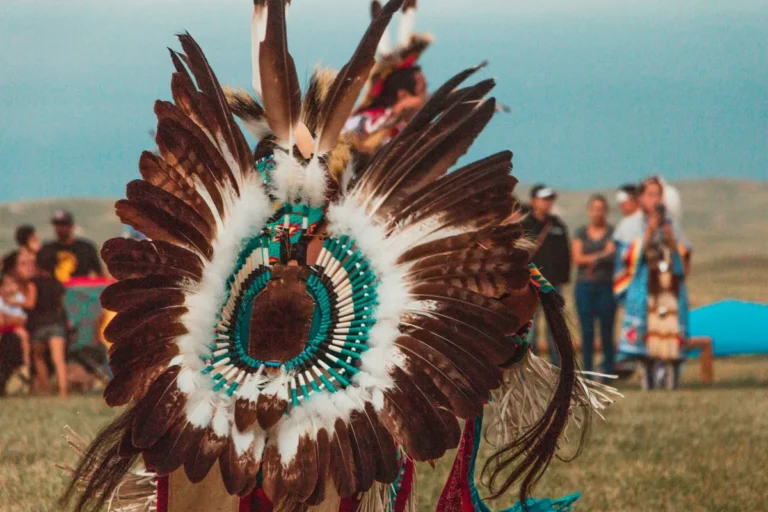
- Community trauma – Reenactments (tomahawk chops, face paint) revive colonial tropes of savagery.
- Policy ripple-effect – Dehumanization correlates with reduced support for tribal sovereignty and civil-rights protections.
Recent Success Stories
| Year | Team / School | Outcome | Why It Matters |
|---|---|---|---|
| 2020 | Washington NFL franchise | Retired “Redskins,” rebranded to Commanders (2022). | First major-league name change after decades of resistance. |
| 2021 | Cleveland MLB club | Became Guardians; retired Chief Wahoo logo (2018). | Demonstrates sponsor and fan adaptation. |
| 2022 | Colorado SB 21-116 | Fines schools $25K/month for non-compliance; only a handful of districts retained mascots with explicit tribal consent. | Shows legislative teeth. |
| 2023 | New York Part 123 regulation | All 60+ districts using Native imagery must rebrand by 2025. | Largest single-state phase-out to date. |
Harm Versus Respect: Where’s the Line?
| Harmful “Mascoting” | Potential Cultural Appreciation |
|---|---|
| Cartoonish war-bonnet logos, red-skin tone, tomahawk chops | Collaborative use of tribal-approved imagery and language |
| Fans in face paint, faux war cries | Scholarships or revenue-sharing agreements with local tribes |
| Generic tribe names with no consent | University of Utah’s agreement with the Ute Indian Tribe (curriculum + royalty fund) |
| Performing “war dances” by non-Native cheer teams | Authentic cultural exhibitions led by tribal members |
Rule of thumb: Nothing about us without us. Tribal consultation plus power-sharing distinguishes appreciation from appropriation.
Multimedia Perspectives
Video: The Harm Caused by Native Mascots
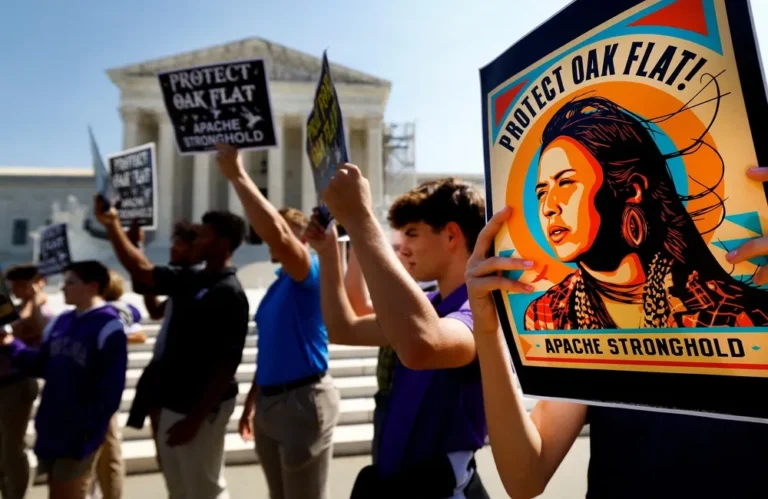
Video: Activists Speak Out
Documentary Spotlight
Imagining the Indian: The Fight Against Native American Mascoting (2021) chronicles decades of activism and the public-health lens on mascots.
Frequently Asked Questions
Why are Native mascots considered offensive?
They perpetuate stereotypes, reduce living cultures to costumes, and research links them to lower self-esteem in Native youth while reinforcing bias among non-Natives.
What if a team consults a tribe for permission?
True consultation includes a binding agreement, profit-sharing or scholarships, veto power over imagery, and periodic review (e.g., Florida State Seminoles relationship with the Seminole Tribe). Token endorsements without these elements are still appropriation.
Isn’t removing mascots “erasing history”?
History isn’t erased; it’s contextualized. Retiring racist imagery frees space for accurate lessons about Native nations’ past and present.
How many schools still use Native mascots?
As of mid-2023, databases list ~1,900 K-12 schools —down from over 2,500 a decade ago, but evidence suggests the problem persists.
What steps can communities take to change a mascot?
– Audit costs, rebranding grants, and state deadlines
– Form a mascot-change committee with tribal reps
– Launch education programs on local Indigenous history
– Apply for state or philanthropic funds to offset uniform and facility updates
Key Takeaways
- Mascots rooted in outdated stereotypes still exist at almost 2,000 U.S. schools—and their psychological harm is well-documented.
- Legislative bans, corporate pressure, and Native activism are accelerating change, but backlash remains.
- Respectful cultural partnerships require tribal authority, consent, and material benefit, not mere consultation.
Every mascot retired is one step closer to classrooms and stadiums that honor, rather than caricature, the First Peoples of this land.