Boarding-School Survivors’ Testimonies Preserved for Future Generations
Hundreds of Native boarding-school survivors have recorded their experiences for a permanent national oral-history collection, ensuring that future generations can hear directly from those who lived through the United States’ assimilation-era school system.
The National Native American Boarding School Healing Coalition completed the final stop of its nationwide interview tour in Tulsa, Oklahoma, in June. Over 28 months, the project recorded 383 survivors representing 86 Tribal Nations across 19 states, according to a final project report published by The Imprint.
The professional video interviews and photographic portraits will be preserved by the Library of Congress. The Smithsonian Institution and the Department of the Interior are also considering how the testimonies can be presented to the public.
The collection is expected to become available beginning in 2027, although survivors will retain ownership of their interviews and decide whether their stories may be made public.
Survivors recorded experiences held for decades
Many participants had rarely—or never—spoken publicly about what happened to them at boarding schools.
Their testimonies describe separation from parents and communities, restrictions on Native languages and cultural practices, forced labour and, at some institutions, physical, emotional and sexual abuse. Survivors also shared memories of friendship, resistance, humour and the ways children tried to preserve their identities under coercive conditions.
The project was designed to document more than suffering. Its organisers wanted survivors to be remembered as complete people whose lives, families and cultures continued beyond the institutions they attended.
Some participants described the interview process as painful but restorative. Iona Mad Plume, a Blackfeet survivor who attended the Pierre Indian School in South Dakota, told the Associated Press that recording her experience helped her find a measure of healing and closure.
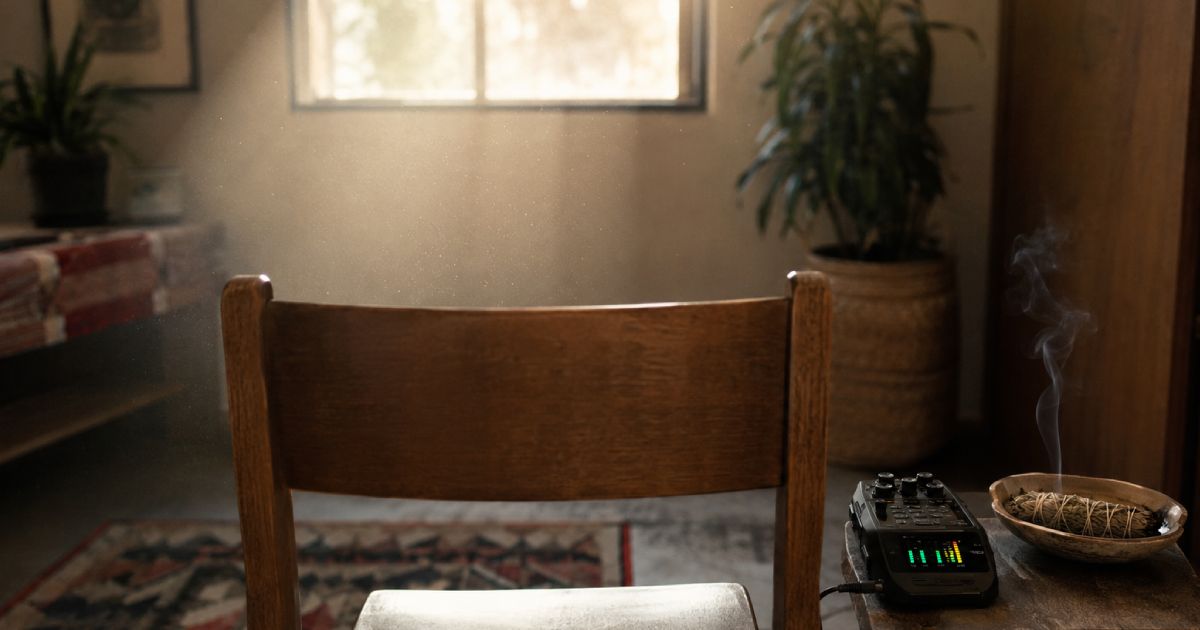
The project’s approach changed as organisers learned more about what survivors needed. Interview locations included quiet rooms where participants could decompress, access to elders and support from licensed therapists and social workers familiar with boarding-school trauma.
Staff also allowed additional time for survivors to become comfortable with the Indigenous photographers taking their portraits.
These practices reflected what the Healing Coalition describes as a survivor-centred and healing-informed approach rather than treating testimony solely as historical evidence.
A permanent record in survivors’ own voices
The National Native American Boarding School Healing Coalition says the collection’s central purpose is to preserve survivors’ voices respectfully for generations to come.
Oral histories can reveal experiences that government reports and institutional files do not capture. Official boarding-school records were generally created by administrators, churches or federal agencies—not by the Native children subjected to their policies.
Those records may document enrolment, attendance and institutional decisions while omitting abuse, punishment, hunger, loneliness, resistance and the lasting consequences for families.
Recorded testimony allows survivors to describe those experiences in their own words, voices and languages. It also gives descendants an opportunity to learn about family histories that may have been obscured by silence, lost documentation or the deaths of older relatives.
The interviews will not automatically become public simply because they are being archived. Survivors retain control over their individual accounts and determine how they may be used, an important distinction in a field where Native stories and cultural materials have frequently been collected without meaningful consent.
The wider boarding-school system
The federal government began supporting the removal and assimilation of Native children through education during the 19th century. Children were taken from American Indian, Alaska Native and Native Hawaiian families and placed in institutions operated by federal agencies, churches and other organisations.
The schools sought to replace Native languages, religions, family relationships and cultural identities with Euro-American practices.
The Department of the Interior identified 408 federally supported institutions in its initial investigation. Separate research by the Healing Coalition has since identified 526 Indian boarding schools that operated in the United States, including institutions outside the federal investigation’s narrower criteria.
Federal investigators have confirmed marked or unmarked burial sites at dozens of school locations. The government’s investigation has also documented the deaths of nearly 1,000 children, while acknowledging that incomplete and inaccessible records mean the actual number is likely higher.
The Department of the Interior’s Federal Indian Boarding School Initiative describes the forced removal and assimilation of Native children as traumatic and violent.
Testimonies connect history with present-day healing
The consequences did not end when children left the schools.
Survivors sometimes returned home unable to speak their Native languages or communicate easily with parents and grandparents. Others carried untreated trauma that affected relationships, parenting and their sense of identity. Communities experienced disruptions to language transmission, cultural knowledge and family structures.
The history behind these continuing effects—and the ways Native families and communities are pursuing recovery—is examined further in our guide to the impact of Native American boarding schools, intergenerational trauma and healing.
Preserving testimony cannot by itself repair the damage caused by the boarding-school system. It can, however, challenge denial, help descendants understand experiences that shaped their families and support demands for accountability.
It also creates an educational record in which survivors speak for themselves rather than appearing only as names in institutional documents.
A project built through Indigenous leadership
The oral-history initiative began in 2024 as a partnership between the Healing Coalition and the Department of the Interior under then-Secretary Deb Haaland, a citizen of the Pueblo of Laguna and the first Native American to serve as a Cabinet secretary.
The federal government initially awarded the coalition $3.7 million through the Bureau of Indian Affairs. Additional support came from the Mellon Foundation and the National Endowment for the Humanities.
The final interview gathering returned the project to Oklahoma, where its national tour began and where more boarding schools operated than in any other state.
Although the initial tour has ended, the Healing Coalition expects oral-history work to continue. Organisers have said that future initiatives must include survivors and communities the first project could not reach.
For descendants, researchers and Tribal Nations, the resulting archive will provide something that was missing from much of the official historical record: survivors telling their own stories, on their own terms.