What Is the Indian Health Service? Eligibility, Care and Coverage Limits
The Indian Health Service, commonly called IHS, is a federal agency within the Department of Health and Human Services. It provides and funds health services for eligible American Indian and Alaska Native people as part of the United States’ responsibilities to Tribal Nations.
That simple description can obscure a complicated system. Not every Native person automatically qualifies, not every facility offers the same services, and approval to see an outside specialist does not necessarily mean IHS will pay the bill.
How the Indian health system is organized
Health care is delivered through three interconnected parts often described as the I/T/U system:
- IHS facilities are operated directly by the federal agency.
- Tribal health programs are administered by Tribal Nations or Tribal organizations under self-determination contracts and self-governance compacts.
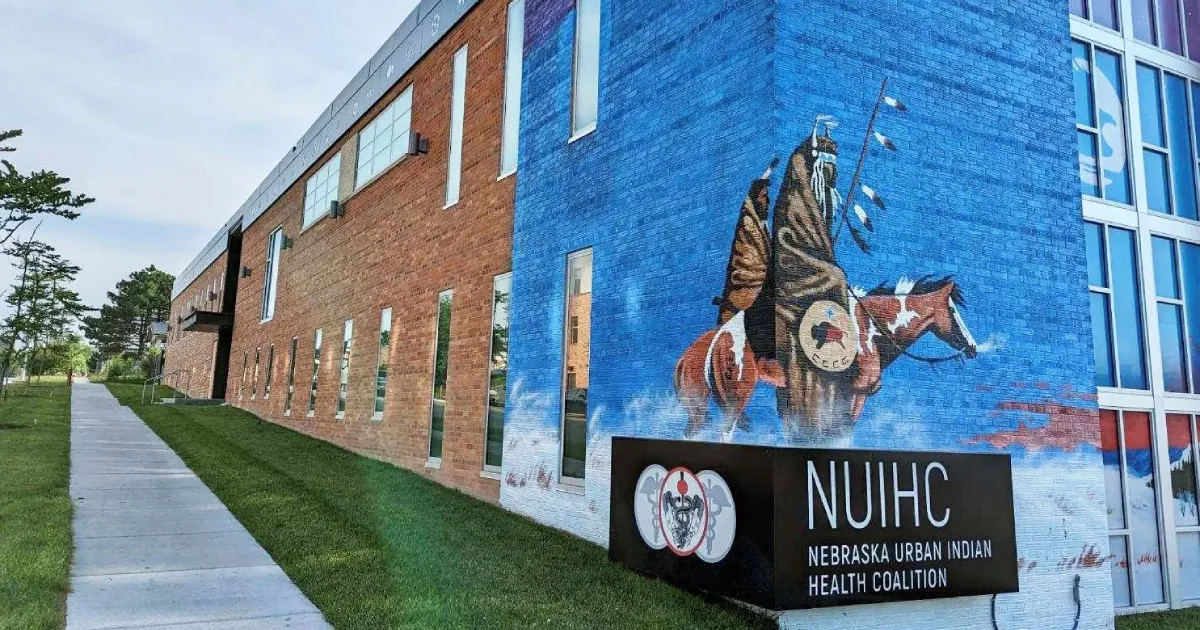
- Urban Indian Organizations receive federal funding under Title V of the Indian Health Care Improvement Act to serve urban American Indian and Alaska Native communities.
Tribal operation does not make a program a local branch of IHS. Self-determination agreements allow Tribal Nations to assume control of federal health programs and adapt their administration to community priorities. IHS maintains separate offices supporting direct-service and self-governance programs.
Urban Indian Organizations provide culturally informed services for people living away from reservations, but each organization has its own programs and service capacity. The IHS Office of Urban Indian Health Programs maintains information about these organizations.
Who is eligible for IHS care?
The most common eligibility standard is enrollment in a federally recognized Tribal Nation. A patient registering for the first time will ordinarily be asked for documentation of citizenship or enrollment.
Eligibility is more nuanced than that general rule, however. The IHS eligibility policy covers certain people of American Indian or Alaska Native descent who belong to the community served by the program. It identifies enrollment, residence on tax-exempt land, ownership of restricted property, participation in Tribal affairs and other reasonable evidence as factors that may be considered.
Limited categories of people who are not otherwise eligible may also receive services. They include children younger than 19 who are the natural, adopted, step or foster children—or legal wards—of eligible Native people. A non-Native spouse may qualify if the governing Tribal body has adopted an appropriate resolution. Certain pregnancy, infectious-disease and public-health circumstances are also covered.
These rules do not mean that a family story, DNA test or general claim of Native ancestry guarantees care. The local patient-registration office makes the eligibility determination under federal and, where applicable, Tribal program rules.
Direct care and outside referrals are different
Care provided at an IHS or Tribal facility is called direct care. An eligible patient may seek available direct care at an IHS facility outside the patient’s home area, but access depends on that facility’s staffing and capabilities. A Tribally operated facility may limit services to citizens of the Nation or Nations it serves.
IHS advises patients to use its health-care facility locator and call before traveling to confirm that the required service is available.
Care obtained from a non-IHS hospital, specialist, dentist or other outside provider may fall under the Purchased/Referred Care program, or PRC. PRC has additional requirements beyond eligibility for direct care.
According to the IHS patient guide to PRC, a patient requesting payment must satisfy requirements involving Tribal affiliation, residence, notification, medical priority and use of alternate resources. Funding must also be available.
A medical referral is not itself a promise that IHS will pay. Nonemergency outside care generally requires advance authorization. For emergency care, the IHS patient FAQ states that notification is generally required within 72 hours. Patients or their representatives should contact the appropriate PRC office as soon as possible because circumstances and local procedures can affect the deadline.
No one should delay emergency treatment while seeking authorization. The payment process can be addressed after immediate safety needs, subject to the applicable notification rules.
IHS is not health insurance
IHS expressly states that it is not an insurance plan, entitlement or fixed benefits package. Services depend on available facilities, personnel and appropriated funds.
Eligible patients may also have Medicaid, Medicare, veterans’ benefits, employer-sponsored insurance or Marketplace coverage. Those programs can pay for services that a local IHS facility cannot provide and can expand the number of available clinicians.
Using insurance does not ordinarily eliminate IHS eligibility. Third-party reimbursements also return revenue to participating Indian health programs. Healthcare.gov explains why eligible people may benefit from maintaining health coverage alongside IHS or Tribal services.
What limits the care available?
The IHS manual acknowledges that shortages of money, facilities or staff can prevent programs from providing every indicated service. When resources are insufficient, care may be prioritized according to medical need, other available coverage, PRC eligibility and the funding available to the local program.
Consequently, two eligible patients in different regions may encounter different services, formularies, referral processes and waiting times.
Patients whose care or PRC payment is denied should request the reason in writing and ask about the appeal process. The IHS eligibility policy requires written notices for certain service denials, while the PRC program provides its own appeal procedures.
The most reliable first step is therefore local: contact the patient-registration or benefits-coordination office, establish eligibility before care is needed, provide current insurance information and ask how that specific program handles referrals and emergencies.