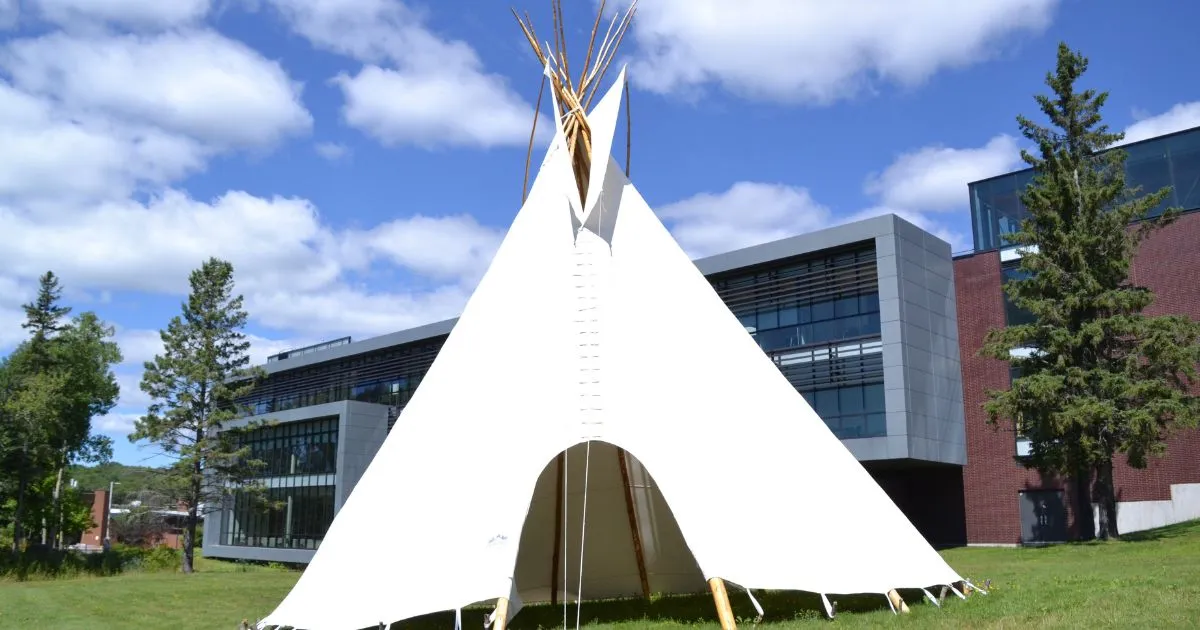
Native American Teepee
A portable marvel of Plains ingenuity
The teepee—correctly spelled tipi in many academic sources—served as an all-weather, quick-erect home for tribes across the Great Plains. Its aerodynamic cone, adjustable smoke flaps, and collapsible pole system made it the perfect companion to a nomadic buffalo-hunting lifestyle. Today, tipis stand as powerful cultural symbols and are still raised for ceremonies, family gatherings, and education programs.
Other Names & Spellings
| Spelling | Language of Origin | Notes |
|---|---|---|
| Tipi / Tiipii | Lakȟótiyapi (Dakota/Lakota) | Literally “to dwell” or “used for dwelling.” |
| Tepee | 19th-century phonetic English | Popular in older diaries and military reports. |
| Lodge | General English | Used interchangeably in early U.S. documents (“lodge poles”). |
| Conical Skin Tent | Anthropological term | Found in museum catalogs and excavation reports. |
Timeline at a Glance
- Pre-1600 CE – Ancestors of Crow, Kiowa, and Pawnee erect earth-lodges; conical tents appear along the Platte River.
- 1700s – Spanish horses revolutionize Plains mobility, enlarging tipi diameter from ~10 ft to 18–20 ft.
- 1840–1870 – “Golden age” of buffalo culture; Sioux, Cheyenne, and Arapaho tipis feature painted war-record narratives.
- 1870s – U.S. military designates “tipi pole trails” as landmarks during the Great Sioux War.
- 1900s–present – Canvas replaces hide; preservation groups host tipi camps to teach pole-tying and smoke-flap etiquette.
Anatomy of a Tipi
| Component | Material | Function |
|---|---|---|
| Poles (13–17) | Lodgepole pine or spruce | Framework; three-pole tripod plus “skeleton” poles set clockwise. |
| Lacing Pins (≈12) | Hardwood dowels | Close the front seam; allow rapid roll-up. |
| Outer Cover | Historically bison hide; now treated canvas | Weatherproof skin, tightened by staking. |
| Smoke Flaps | Two triangular extensions | Adjustable to direct airflow and vent fire smoke. |
| Inner Lining (ozáŋka) | Cloth/hide panel ~3 ft tall | Insulates, channels air up to the smoke hole. |
| Fire Pit | Packed earth circle | Central hearth for heat, cooking, and ritual. |
Key fact: A well-pitched 18 ft tipi can be erected by two adults in under 30 minutes—lighter and quicker than most modern family tents of similar square footage.
Design Genius & Environmental Fit
- Ventilation: Chimney-effect airflow keeps interiors smoke-free even during blizzards.
- Anchoring: Staggered stakes and inward-angled poles resist prairie winds up to 60 mph.
- Portability: Dismantled poles formed a “travois” sled hauled by horses or dogs.
- Thermal comfort: In summer, lower the cover at night for cross-breezes; in winter, add extra lining and bank snow around the base.
Painted Tipis: Canvas of the Plains
Painted motifs served as historic records or spiritual shields. Common themes:
- Visionary dreams – Thunderbirds, Morning Star, buffalo spirit.
- Battle exploits – Handprints, coup symbols, ladder tracks.
- Calendrical marks – Lakota “winter counts” spiraling around the cone.
Some families inherited specific designs; repainting was an act of renewal, aligning the household with sacred cosmology.
Modern Uses & Revivals
- Ceremonial lodges at Sun Dances and language camps.
- Eco-tourism experiences (tipi hotels) run by tribal enterprises.
- STEM education: Demonstrating geometry, physics, and sustainable housing.
- Art installations exploring sovereignty and land rights.
When booking tipi stays, look for ventures owned or certified by the host Nation to ensure cultural protocols are honored.
Fun Facts & Quick Numbers
| Fact | Detail |
|---|---|
| Pole length | 1.4 × floor diameter (e.g., 18 ft tipi → ≈25 ft poles) |
| Hide count | Large 20 ft lodge once used ~14 buffalo cow hides, sewn with sinew. |
| Door facing | East or southeast—welcomes the rising sun & keeps prevailing west winds at the back. |
| Acoustic perk | Hide walls dampen echoes, making tipis surprisingly quiet in storms. |
Frequently Asked Questions
Which tribes traditionally used tipis?
Primarily Plains cultures—Lakota, Dakota, Nakota (Sioux), Cheyenne, Arapaho, Crow, Kiowa, Blackfoot, Comanche, and some northern Apache bands.
How is a tipi different from a wigwam or hogan?
Tipis are conical and portable; wigwams (Eastern Woodlands) are dome-shaped bark structures; hogans (Navajo) are earth-and-log houses with a fixed doorway.
Why are there 3 main poles?
The tripod is the structural anchor—additional poles rest against it, distributing weight while keeping the doorway unobstructed.
Can anyone build or live in a tipi today?
Yes, but cultural sensitivity is crucial. Seek guidance from tribal craftsmen, buy poles ethically, and avoid appropriating sacred designs.
How do smoke flaps work?
Two exterior poles adjust the flaps like a wind vane, tilting openings away from the breeze so smoke rises cleanly through the apex.
Key Takeaways
- The tipi’s engineering elegantly marries aerodynamics, insulation, and portability—proof of sophisticated Plains technologies.
- Painted covers are not decoration alone; they encode family lineage, cosmology, and historical record.
- Contemporary tipi camps help revitalize languages and land-based learning, ensuring this ancestral architecture thrives well beyond museums.