
Powwow Basics
Everything you need to know before you hear the first drumbeat
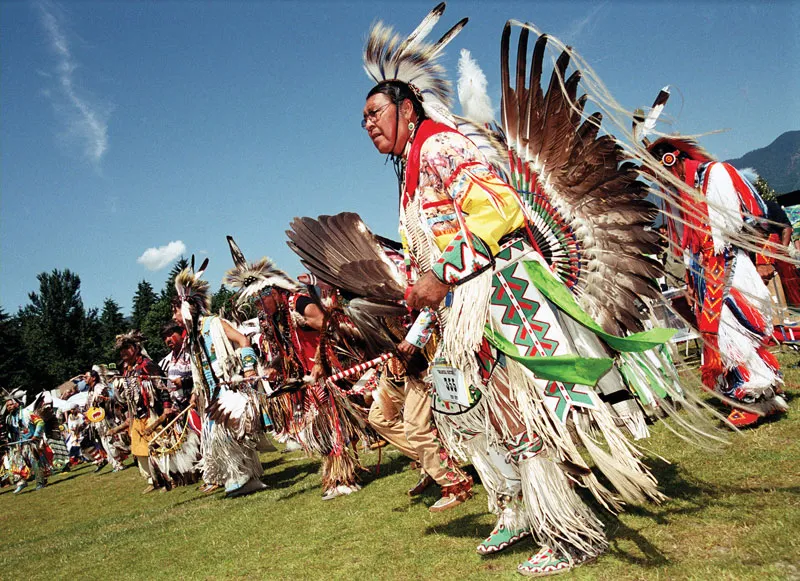
Powwows are dynamic gatherings where Indigenous nations celebrate life, honor veterans, and share culture with the wider public. Whether you plan to dance, photograph or simply observe, understanding the basics helps you participate respectfully.
What Is a Powwow?
Powwows emerged in the Plains during the 1800s as many tribes were forced onto reservations. The gatherings preserved languages, dances and diplomatic ties in spite of federal bans on Native ceremonies. Today, events range from small community socials to the Gathering of Nations in Albuquerque, the largest powwow in North America, attracting 3,000+ dancers and 80,000 spectators each April.
Traditional vs. Competition Powwows
| Feature | Traditional | Competition |
|---|---|---|
| Purpose | Community visiting, healing, honoring | Contest prizes for dancers & drums |
| Prizes | Blankets, beadwork, food | Cash purses, trophies |
| Schedule | Flexible; may follow harvest or feast | Timed sessions, strict category heats |
| Atmosphere | Informal, family focused | Larger crowds, emcees emphasize rankings |
Most modern events blend both, offering morning cultural workshops followed by afternoon contests.
Anatomy of a Powwow Session
- Grand Entry – Flag bearers, veterans, royalty and dancers enter clockwise; spectators stand and remove hats.
- Prayer & Flag Song – Often sung in the host nation’s language.
- Intertribal Dances – Open to all dancers in regalia; sometimes audiences are invited.
- Contest Rounds / Specials – Age-division competition or honor dances (e.g., graduation specials).
- Giveaways & Blanket Dances – Hosts gift blankets, beadwork or cash to drums and elders.
- Retiring the Flags – Ends the session; some powwows repeat this twice daily.
Essential Powwow Etiquette
| Do | Don’t | Why |
|---|---|---|
| Stand and remove hats during Grand Entry, flag songs & prayers | Walk across the arena floor | Arena is a sacred space |
| Ask permission before photos/video, especially children | Photograph eagle feathers without consent | Feathers are sacred; some nations restrict images |
| Listen to the MC for when visitors may join dances | Touch anyone’s regalia | Pieces can be heirlooms or spiritually significant |
| Bring cash for donations or honor blankets | Bring alcohol, cannabis or pets | Powwow grounds are drug- and alcohol-free per protocol |
| Set your chairs behind the Elders & Head Staff | Block drum view with tall lawn chairs | Drums need clear line of sight to the arena |
Drum Groups & Songs
- Drum refers both to the instrument and its singers.
- Head drum is selected by the committee; it sets the tempo and sings key honor songs.
- Song types: Flag, Veteran, Sneak-up, Two-step, Round dance, Crow Hop. Each has unique footwork cues.
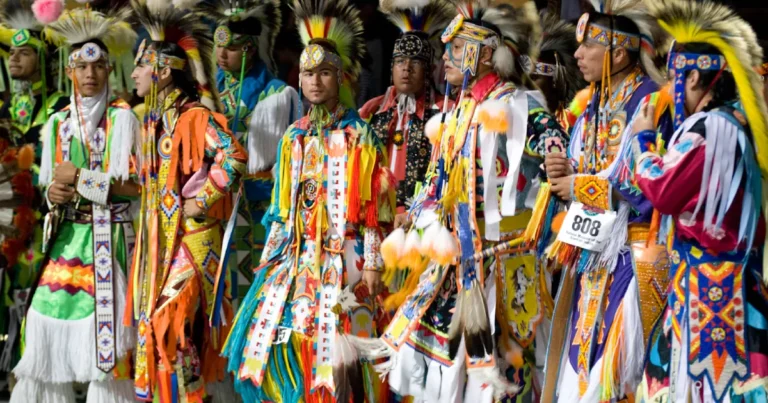
Dance Styles & Regalia Highlights
| Men’s Styles | Trademark Regalia |
|---|---|
| Traditional – Storytelling footwork | Single bustle, feather staff |
| Grass – Smooth, side-to-side “flattening grass” motion | Yarn ribbons, no bustle |
| Fancy – Acrobatics & high kicks | Twin bustles, bright ribbon work |
| Chicken – Prairie-chicken courtship mimicry | U-shaped bustle, bobbing topknot |
| Women’s Styles | Trademark Regalia |
|---|---|
| Traditional Buckskin/Cloth – Graceful, stationary style | Fringed shawl or blanket |
| Jingle – Healing dance from Ojibwe | 365+ snuff can lids “cones” jingle with steps |
| Fancy Shawl – Butterfly-like spins | Fringed shawl, matching capes & leggings |
Roles You’ll Hear About
- Arena Director – Ensures protocol inside the dance circle.
- Master of Ceremonies (MC) – Explains contests, calls dancers, educates visitors.
- Head Man / Head Woman Dancer – Lead all dancers during intertribals.
- Head Veteran – Carries eagle staff; pivotal in flag songs.
- Whip Man – Keeps dancers ready, encourages participation.
Powwow Circuits & Planning Your Visit
| Season | Major Events (U.S./Canada) |
|---|---|
| Spring | Gathering of Nations (NM), Denver March Powwow (CO) |
| Summer | Schemitzun (CT), Kahnawake Echoes of a Proud Nation (QC) |
| Fall | Manito Ahbee Festival (MB), Morongo Thunder & Lightning (CA) |
| Winter | Phoenix Heard Museum Fair (AZ), Cherokee National Holiday (OK) |
Travelers should budget for day-use entry ($5–$15), parking fees and vendor cash—many craft booths are still cash-only.
Visitor Packing List
- Folding chairs / blanket
- Refillable water bottle
- Small cash bills for donations & frybread
- Sunscreen & hat (outdoor grounds)
- Respectful clothing (no imitation headdresses)
Frequently Asked Questions about Powwow
Can non-Native guests dance?
Yes—during intertribal songs. Wait for the MC’s invitation and follow dance direction clockwise.
What should I wear?
Comfortable, modest clothes. Avoid costumed “Native-style” outfits; regalia is earned and culturally specific
Is filming for TikTok allowed?
Only with permission from the MC and individual dancers. Some contests ban livestreaming entirely
Why do drums pause between songs?
To realign, give queue control to Arena Director, and let dancers hydrate in hot weather.
Do I need to bring gifts?
Not mandatory, but dropping small bills during blanket dances is appreciated and supports singers.


One Comment