Ceremonies & Protocols 101
Respectful participation in Indigenous gatherings
Indigenous ceremonies vary by Nation, but they share a common thread: they are living expressions of sovereignty, spirituality and community. This primer walks newcomers through the most widely encountered public protocols—powwows, giveaways, smudging, sweat-lodges and more—so you can engage honorably and avoid cultural appropriation.
Rule #1: When in doubt, ask the host Nation or MC—local customs always outrank any online list.
1. Powwow Etiquette
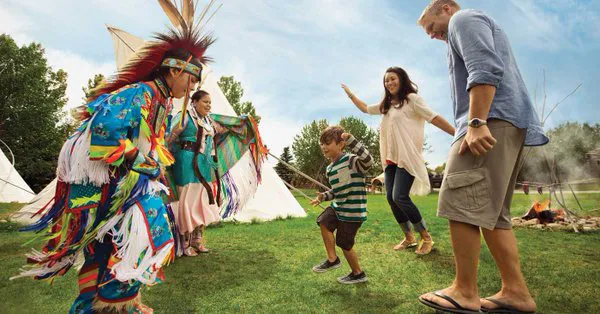
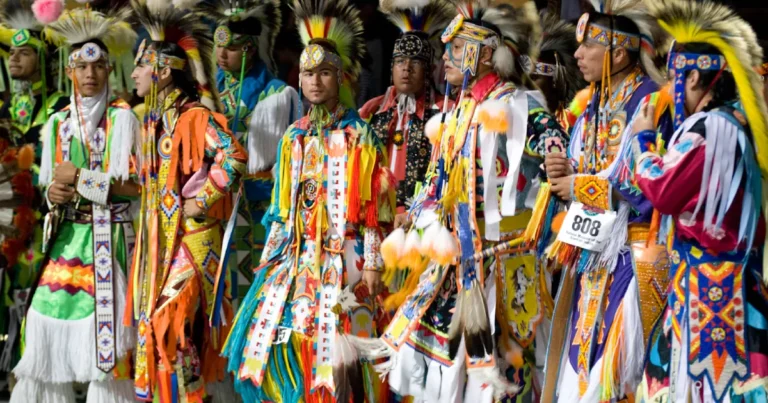
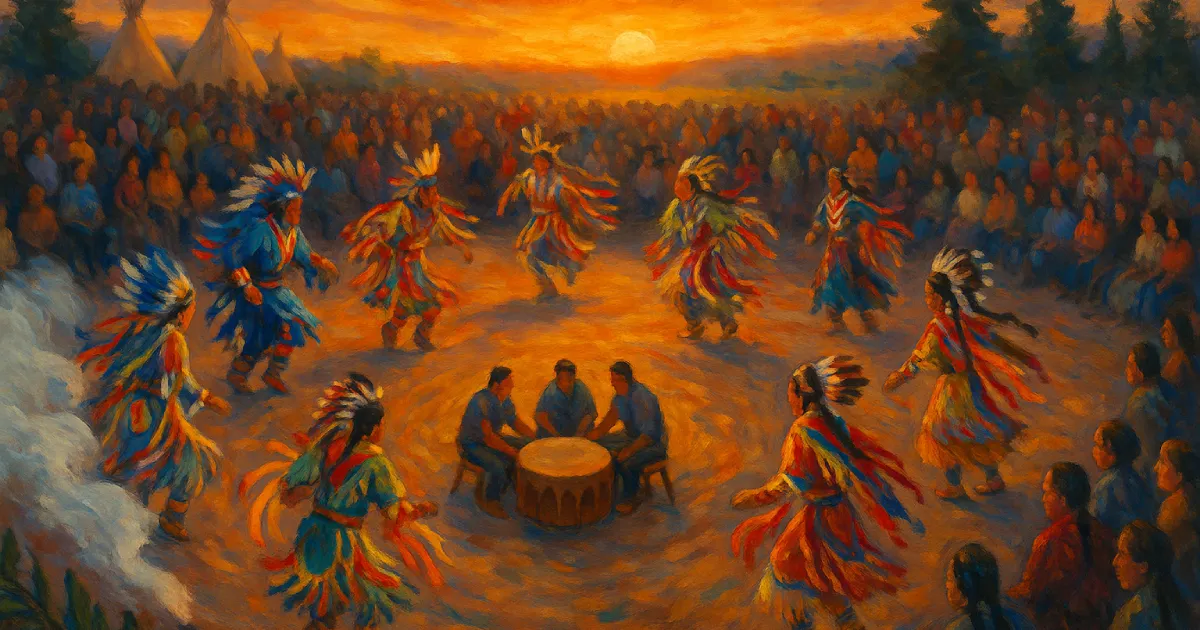
Powwows are social celebrations that include sacred moments such as Grand Entry and honor songs. Respectful behavior helps everyone feel welcome.
| Do | Why |
|---|---|
| Stand and remove hats during the Grand Entry, flag songs, veteran songs and honor songs. | These songs honor warriors, elders and Nations. |
| Ask before photographing dancers, regalia and ceremonies. | Some regalia contain sacred items; photos may be restricted. |
| Keep clear of the dance circle—enter only when invited by the MC. | The arena is considered a sacred space. |
| Follow seating protocol: drums and elders up front, visitors behind. | Maintains order and respect. |
| Carry cash for donations to drums or blankets during honor dances. | Gifts support singers who provide the heartbeat of the powwow. |
Additional courtesies include wearing modest clothing, refraining from alcohol or cannabis on site, and leaving pets at home unless they are service animals.
Giveaway & Honor Songs
Giveaways—gifting blankets, food or handmade items—mark life events such as graduations or naming ceremonies. They are offered freely and without expectation of return; recipients accept gifts on behalf of the community.
2. Smudging & Pipe Etiquette
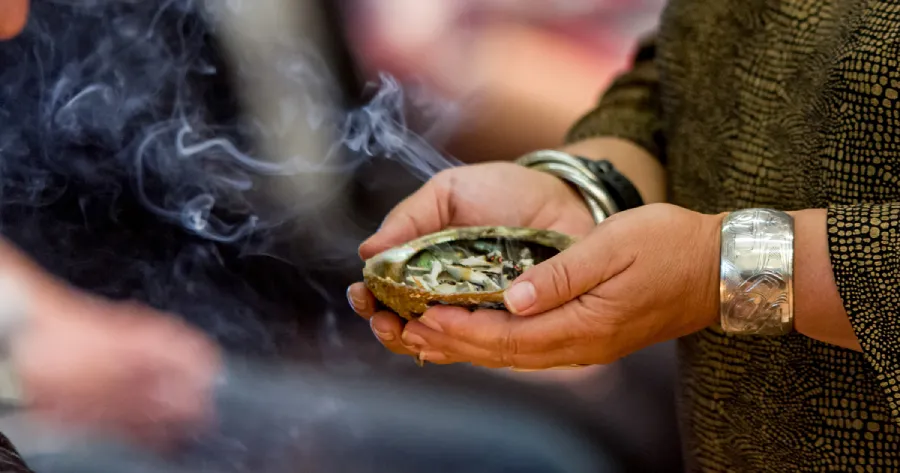
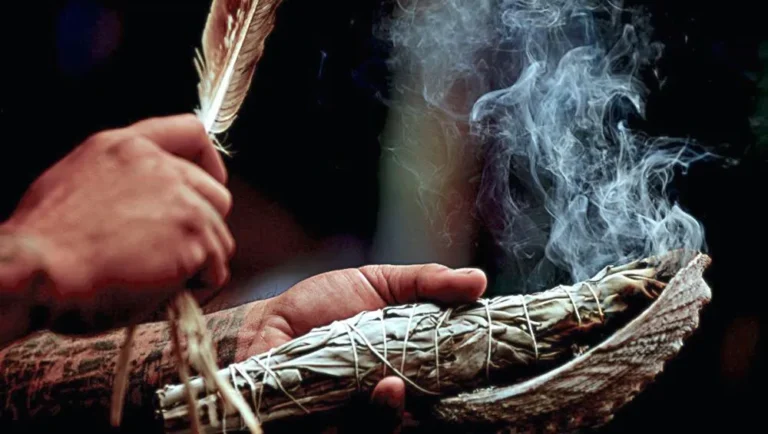
Smudging uses medicines like sage, sweetgrass or cedar to cleanse mind, body and space. If invited:
- Remove metal jewelry to prevent heat transfer burns.
- Fan smoke toward yourself first, then over the heart, head, back and legs.
- Never blow out the smudge stick; use a feather or let it extinguish naturally.
- Ask permission before lighting smudge indoors—some jurisdictions have ventilation clauses or exemptions under smoke-free laws.
Pipe ceremonies are highly specific; generally, do not handle the pipe unless asked, and never set it directly on the ground.
3. Sweat-Lodge Basics

A sweat-lodge (also called Inípi or Temazcal depending on language) is a purification ceremony held inside a low, dome-shaped lodge heated with volcanic stones.
| Before the Lodge | Inside the Lodge | After the Lodge |
|---|---|---|
| Fast lightly, hydrate and avoid alcohol for at least 24 hours. | Observe silence unless the pourer invites you to speak. | Exit clockwise, touch the ground in gratitude if taught to do so. |
| Bring a towel, modest attire (long skirt/shorts) and an offering of tobacco or cloth. | Sit low if you need cooler air; you may exit between rounds. | Share in the feast; it grounds the body and community spirit. |
| Pregnant people, those with heart conditions or respiratory issues should consult a physician. | Never pour water on the stones unless the leader instructs you. | Thank the fire-keeper and helpers. |
Sweat protocols vary by Nation; always follow the lodge leader (pourer). Safety is paramount—overheating can be fatal if guidelines are ignored.
Frequently Asked Questions about Sweat-Lodge
Can non-Indigenous guests attend a sweat?
Only by direct invitation from the lodge leader or host Nation. Never pay commercial operators who lack community accountability.
What should I wear?
Cotton clothing—long skirt or shorts for all genders, plus a loose T-shirt. Avoid synthetic fabrics that trap heat.
Is fasting mandatory?
Light fasting (no heavy meals) is common, but medical needs come first. Notify the leader if you must drink water or eat beforehand.
Why give tobacco?
Tobacco is a sacred plant that carries prayers; offering it shows respect for the spiritual labor of the leader.
4. Appropriation vs. Participation
Commercial wellness retreats often market “sweats” or “sage bundles” without tribal oversight, stripping context and violating intellectual property. Support legitimate cultural events by:
- Paying artists and speakers fairly.
- Buying medicines from Indigenous vendors.
- Amplifying Native-led education rather than DIY tutorials.
5. Other Common Ceremonies
| Ceremony | Purpose | Guest Protocol |
|---|---|---|
| Naming or Coming-of-Age | Marks a life stage; often combined with giveaway. | Observe quietly; photos may be restricted. |
| Blanket Ceremony | Honors an individual or family. | Stand when called; accept blankets with both hands. |
| Round Dance | Social winter dance symbolizing unity. | Join the outer circle when invited, moving clockwise. |
Final Thoughts
Ceremonies are not performances—they are acts of nationhood and spirituality. By learning protocols, asking permission and giving back, visitors become allies in cultural resurgence rather than consumers of culture.