How Native American Oral Traditions Preserve Culture
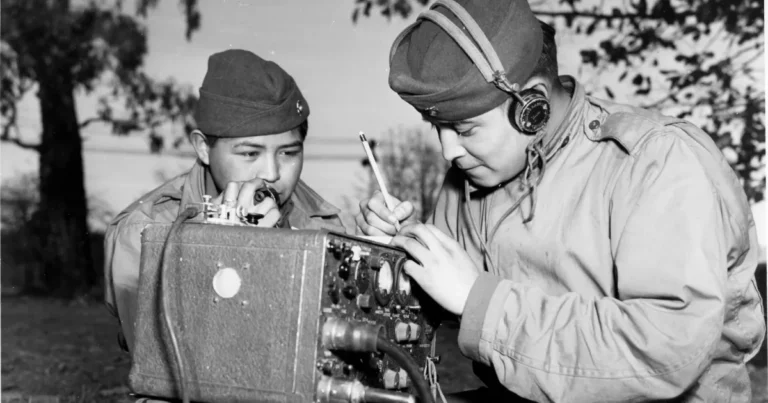
Before written language became the primary method of record-keeping, a different power held sway: the spoken word. For countless generations, Native American communities have woven intricate tapestries of history, values, and knowledge through the vibrant art of storytelling. These oral traditions are more than just myths and legends; they are the lifeblood of Indigenous cultures, connecting past, present, and future in a continuous, sacred narrative.
Oral traditions are a cornerstone of Indigenous societies, serving as the primary means of transmitting history, cultural values, spiritual beliefs, and practical knowledge from one generation to the next. This method of passing down information is a communal experience, often taking place during family or tribal gatherings, ceremonies, and rituals, strengthening the bonds between individuals and their community. These stories are not static; they can adapt to the audience and the situation, making each telling a unique and living event.
The Spark of Knowledge: The Cherokee Story of the First Fire
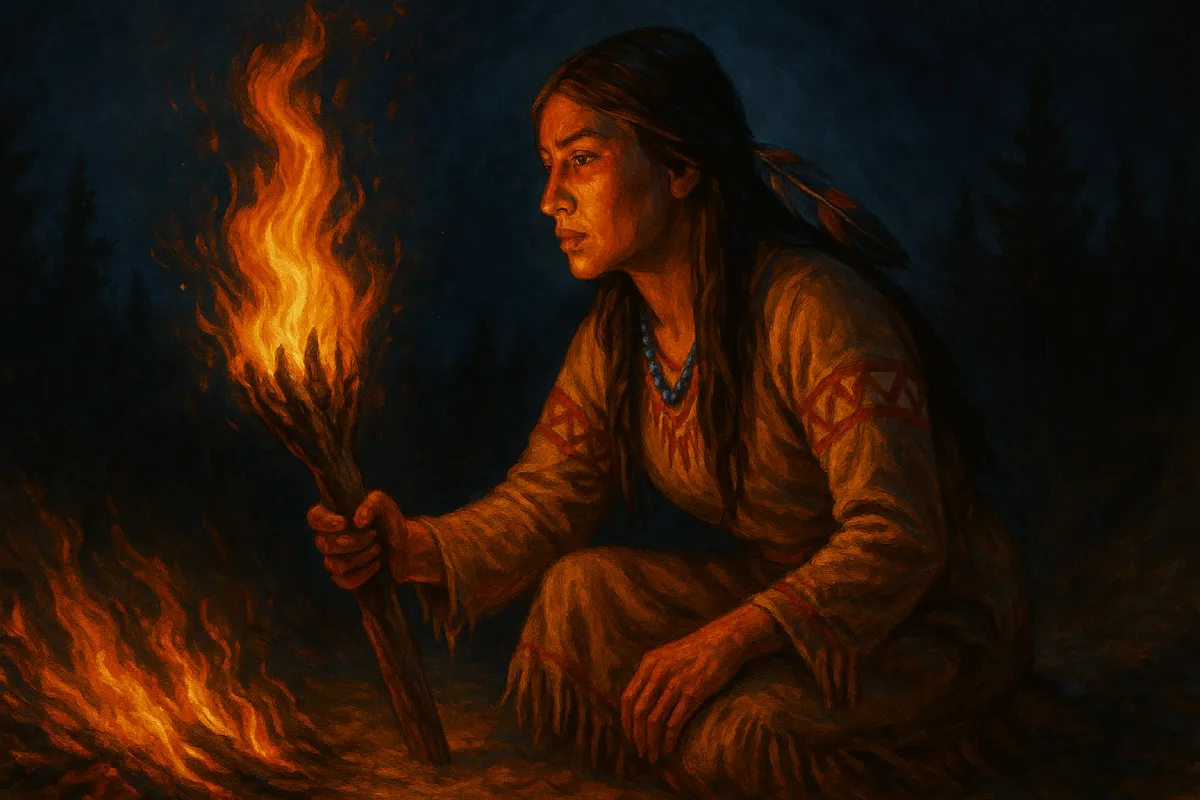
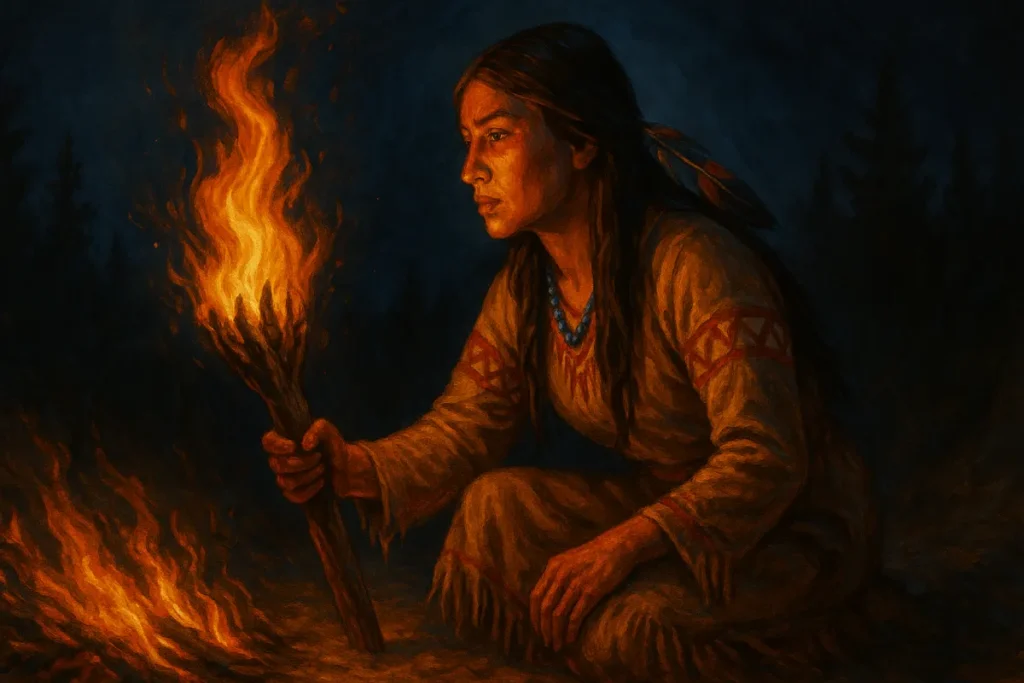
A well-known Cherokee legend tells of a time when the world was cold and dark because there was no fire. The Thunders, powerful beings from the world above, sent lightning to strike a hollow sycamore tree on an island, placing fire within it. The animals saw the smoke and knew they needed this warmth for survival, so they held a council to decide who would retrieve it.
One by one, the most powerful and proud animals attempted the journey, but each failed. The Raven, once possessing beautiful white feathers, flew to the tree, but the intense heat scorched his plumage black, and he returned in fright without the fire. The Screech Owl’s eyes were burned red by a blast of hot air. The Racer Snake, in his attempt, was burned black by the hot ashes.
After many of the larger animals had failed, the tiny Water Spider volunteered. The others were skeptical, but she was determined. She spun a small bowl from her own thread, fastened it to her back, and skillfully journeyed across the water to the island. There, she placed a single, small coal of fire into her bowl and brought it back to the animal people. To this day, the Cherokee revere the Water Spider for her ingenuity and courage, a testament to the idea that strength comes in all forms. This story not only explains the origin of fire but also imparts lessons about humility, perseverance, and the unexpected strengths of the seemingly small.
“Stories are not just told—they are lived, remembered, and revered.”
A Celestial Dance: The Lakota Story of the Pleiades
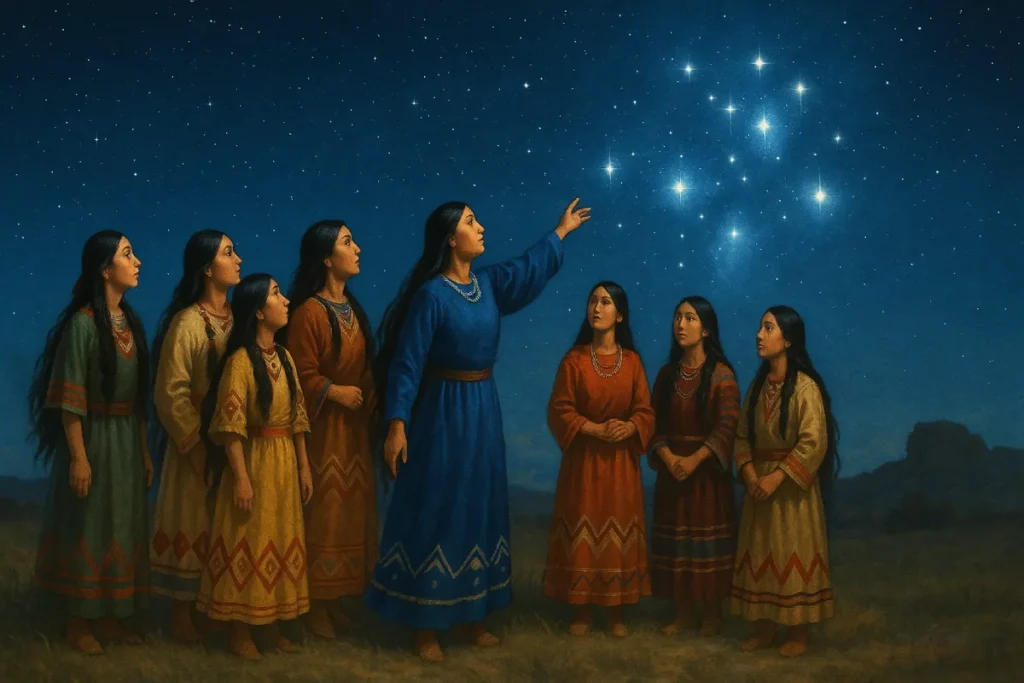
Many Native American cultures have stories about the star cluster known as the Pleiades, often referred to as the Seven Sisters. The Lakota have a powerful legend that connects these stars to the iconic Devils Tower in Wyoming.
The story tells of seven young girls who were playing near their village when they were chased by a giant bear. Desperate to escape, they scrambled onto a large, low-lying rock and prayed to the Great Spirit for help. The rock heard their pleas and began to grow, stretching higher and higher into the sky, carrying the girls out of the bear’s reach. The enraged bear clawed at the sides of the rising rock, leaving deep grooves that are visible on Devils Tower to this day. The seven girls were carried all the way into the heavens, where they became the stars of the Pleiades constellation.
Another Lakota story tells of a “Star Boy” who descends to Earth, becomes a cultural hero, and eventually places the spirits of seven little girls, who were taken by a giant red bird, into the sky as the Pleiades to serve as a reminder for the people to always watch over and protect their children. These stories embed a celestial map with earthly landmarks and moral teachings, reinforcing the deep connection between the Lakota people, the land, and the cosmos.
The Living Library: How Storytelling Preserves a People
Storytelling in Native cultures is a sophisticated and vital system for preserving knowledge and values. These narratives are living libraries, containing everything from creation stories and historical accounts to practical instructions for hunting, healing, and living in harmony with the environment. They serve as a guide for behavior, teaching moral lessons and reinforcing the values that bind a community, such as respect for elders, the importance of community over the individual, and a profound connection to the natural world.
The worldview of a people is intricately woven into their language and methods of speaking. By passing these stories down, communities ensure the survival of their cultural identity, their understanding of the world, and their connection to their ancestral roots.
Frequently Asked Questions
What are oral traditions and why are they important in Native American culture?
Oral traditions are spoken systems of knowledge transfer through stories, songs, chants, and teachings. In Native American cultures, they are essential for passing down history, spiritual beliefs, ecological wisdom, and community values. They provide an unbroken link to ancestors and maintain cultural identity across generations.
How do Native American oral stories differ from written history?
Unlike written history, which often emphasizes chronology and factual events, Native oral traditions blend myth, symbolism, and memory to reflect the community’s worldview. These stories are fluid, interactive, and often performative, adapting to each generation while preserving core messages.
What is the significance of storytelling in ceremonies and rituals?
In many tribes, storytelling is woven into ceremonies, dances, and seasonal rituals. These contexts elevate the stories beyond entertainment—they become sacred acts of remembrance, healing, and cultural affirmation.
Are Native oral traditions still practiced today?
Yes, many Indigenous communities continue to uphold storytelling traditions. Efforts to revitalize Indigenous languages, incorporate stories into school curricula, and use digital media for preservation have helped keep these traditions alive in modern contexts.
What challenges do Native oral traditions face today?
Colonial assimilation policies, language loss, and modern technology have all threatened the transmission of oral traditions. However, many tribes are actively countering these threats through language immersion programs, intergenerational storytelling events, and cultural revitalization efforts.
Who is allowed to tell Indigenous stories?
In many Native cultures, some stories are considered communal and can be shared widely, while others are “owned” by specific clans, families, or individuals. Storytellers are often trained and authorized to share particular stories, ensuring that they are passed down with accuracy, cultural context, and respect.
Conclusion: Storytelling as Cultural Survival
Oral traditions are more than folklore—they are a living archive of Indigenous resilience, identity, and worldview. In each story told, whether around a winter fire or in a modern classroom, lies a thread connecting generations past and present. These narratives preserve not just memories, but languages, landscapes, and lifeways. As Native storytellers continue to share and adapt their traditions in the face of cultural erosion, they reaffirm the truth that the spoken word holds enduring power. In preserving these oral legacies, Indigenous communities not only honor their ancestors—they equip their descendants with wisdom for the future.