Manoomin: Wild Rice, Anishinaabe Culture and Treaty Rights
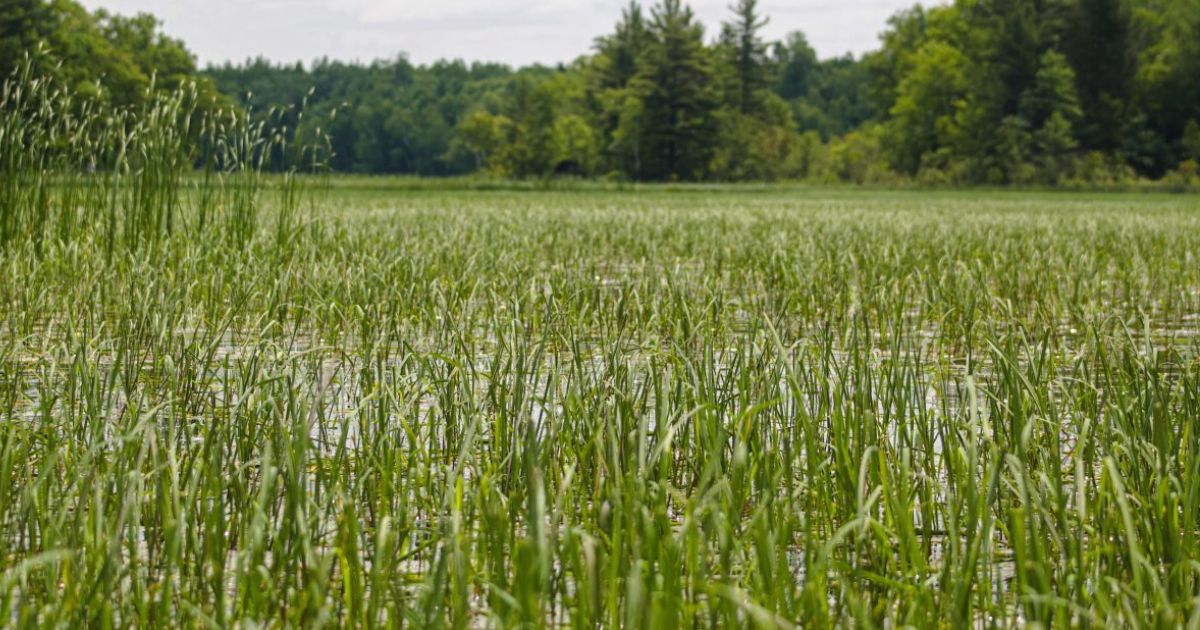
Manoomin is the Ojibwe name for wild rice, a food and culturally important relative whose well-being is connected to freshwater habitats, community responsibilities and treaty rights. In the western Great Lakes, it often refers to northern wild rice, Zizania palustris, an annual aquatic grass that grows in shallow lakes, river backwaters and slow-moving streams.
Ojibwe Nations harvest and care for manoomin, regulate gathering and lead restoration work. Understanding those relationships helps explain why protecting rice waters involves more than preserving an ingredient. This guide focuses on public Ojibwe teachings and examples from the U.S. Great Lakes region; other Nations have their own relationships with wild rice.
What manoomin means in Ojibwe life
The Great Lakes Indian Fish and Wildlife Commission (GLIFWC) translates manoomin as “the good berry.” Its manoomin stewardship program describes a reciprocal responsibility between the rice and the people: caring for the plant helps sustain food, knowledge and community life across generations.
GLIFWC’s public account also connects manoomin with Ojibwe migration teachings about finding food growing on water. That account belongs to a particular cultural context. It should not be turned into one migration story for all Native peoples or expanded with ceremonial details that communities have not chosen to share.
Wild rice also matters to other Nations. The Minnesota Pollution Control Agency identifies its cultural importance to both Dakota and Ojibwe Nations. Learning from a named community preserves differences in language, foodways and law instead of assuming that all wild-rice traditions are the same.
How northern wild rice grows
The U.S. Fish and Wildlife Service species profile identifies northern wild rice as an annual plant that begins germinating after ice-out. Its beds provide habitat used by wildlife, fish and other plants. “Wild rice” is a common name covering more than one species; the biology discussed here centers on Zizania palustris.
The 1854 Treaty Authority’s biology guide describes a vulnerable floating-leaf stage before the stalks rise above the water. A rapid rise in water level during this stage can uproot plants and wash them away. Competing vegetation can also reduce a bed’s ability to thrive.
Seeds ripen at different times, even within one bed. Those that fall into the water settle into sediment, where some remain dormant until conditions favor germination. A poor crop in one year therefore does not automatically mean a bed is permanently lost. Long-term observation is more informative than a single season’s appearance.
Ripeness and local conditions help determine when gathering is appropriate. A general late-summer harvest description is not permission to enter a particular water body or begin harvesting.
Natural wild rice and cultivated wild rice: check the source
Commercial wild rice may be grown in managed paddies. Natural lake or river rice grows in existing or restored waters. These descriptions concern how and where the plant grows; they do not, by themselves, identify the harvester or the business selling it.
| Product description | What it tells you | What still needs checking |
|---|---|---|
| Natural lake or river wild rice | The rice comes from lake or river waters rather than cultivated paddies. | Whether it was hand-harvested, where it originated, and who harvested, processed and sold it. |
| Cultivated or paddy wild rice | The rice was grown as a crop in managed fields. | Its place of origin, producer, processing method and any additional claims on the label. |
| Native-owned business | The claim concerns ownership of the seller or brand. | Whether this particular product was Native-harvested and how its source is documented. |
The 1854 Treaty Authority’s public harvesting and finishing overview describes canoe harvesting with knocking sticks and subsequent drying, parching, hulling and winnowing. Commercial paddy production generally uses mechanical harvesting. Processing affects the finished grain, so color, texture or cooking time alone cannot establish its origin.
Natural rice is not automatically hand-harvested or Native-harvested. Read the product description and ask the producer. For cooking and storage, follow instructions for that specific product; different finishing methods can produce different results.
What Minnesota’s wild-rice labeling law requires
For products sold in Minnesota, Minnesota Statutes section 30.49 distinguishes cultivated wild rice from natural lake or river wild rice. It requires cultivated content to be identified as “paddy” or “cultivated,” reserves its natural lake-and-river label for qualifying products, and addresses origin and machine-harvesting disclosures.
The law also addresses misleading Native identity claims. A label implying Native harvesting or processing is misbranded unless the package contains only natural lake or river wild rice harvested by Native people, using the statute’s legal terminology. Native-style packaging or ownership of a retail business does not establish that harvesting claim.
These are Minnesota requirements, not a nationwide labeling system. The statute contains exemptions for certain blends and ready-to-eat products, with some provisions still applying. Sellers should consult the full text rather than treating this summary as a complete labeling checklist.
Treaty gathering rights come with rules and responsibilities
In several nineteenth-century treaties, Ojibwe Nations ceded land while retaining rights to hunt, fish and gather in specified territories. GLIFWC’s treaty overview explains that these are retained rights, rather than privileges subsequently granted by state governments. Gathering manoomin is one way eligible Tribal citizens exercise those rights.
The rights and rules are specific to the Nation, treaty, place and activity. Tribal governments regulate harvesting through conservation codes, permits and enforcement. Reservation rules may differ from those governing treaty harvest elsewhere, and particular waters may have opening decisions based on ripeness.
GLIFWC’s current manoomin harvest page covers provisions for the 1837 and 1842 Ceded Territories in Wisconsin and Minnesota and directs readers to their Tribe’s complete code. It is not a universal guide to all Great Lakes rice waters. Consult the relevant Nation or treaty authority before planning a harvest.
People harvesting under state law should check the applicable state rules as well as local access restrictions. For example, the Minnesota DNR’s wild-rice regulations distinguish licensing, restricted areas and reservation requirements. Neither a public map nor a general ancestry claim establishes permission to harvest.
Why manoomin waters need protection
Changes to water levels, surrounding land use and water quality can affect rice beds. Dams, drainage and altered runoff can change the timing or depth of water, while competing vegetation can displace rice. The causes of decline need to be investigated at the affected site.
Sulfate pollution is another concern. Sulfate can be converted into sulfide in wetland sediment; sulfide can harm wild rice. The Minnesota Pollution Control Agency’s explanation distinguishes that ecological concern from ongoing research into natural background sulfate levels.
As checked on November 8, 2026, Minnesota Rules 7050.0224 includes a sulfate standard of 10 milligrams per liter for waters used to produce wild rice during periods when the rice may be susceptible to damage from high sulfate levels. The rule also protects the habitat of identified wild-rice waters from material impairment or degradation. Applying the standard to a particular discharge involves the relevant regulatory process.
Climate change adds pressure through precipitation and runoff changes. A U.S. Geological Survey project with Tribal and intertribal partners examines how climate, surrounding forests and water flows interact in manoomin watersheds. Its approach combines modeling with community knowledge and planning. One weak harvest, however, should not be assigned a single cause without supporting evidence.
Tribal stewardship includes restoration and law
The 1854 Treaty Authority wild-rice program supports monitoring, protection and restoration in the 1854 Ceded Territory, including cooperation between Tribal and non-Tribal agencies. GLIFWC’s manoomin work draws on rice chiefs, elders, Tribal natural-resource departments and research. These programs connect ecological observations with community priorities.
White Earth’s governing committee also adopted a Rights of Manoomin ordinance through a 2018 resolution. The documents published by White Earth Nation (PDF) recognize rights of manoomin within the reservation to continue living and regenerating, recover from harm, and have clean water and suitable freshwater habitat. They also address Tribal members’ harvesting and seed-protection rights.
This is a specific Tribal legal action. Its provisions should not be described as a nationwide law or proof that every outside court has accepted its full jurisdictional reach. The example shows how a Nation expresses responsibilities through its own legal institutions.
Our Traditional Ecological Knowledge guide explores the wider relationship among environmental knowledge, community authority and permission to share information.
How readers can support manoomin
- Ask clear buying questions. Who harvested the rice, where was it grown, how was it gathered and who processed it? Keep ownership, origin and harvest-method claims separate.
- Support accountable producers. Look for named Native producers and businesses that explain their sourcing. Confirm the claims for the individual product.
- Follow the responsible government’s guidance. Check current access and harvest rules; do not assume a general season applies to every bed.
- Support community priorities. Learn about Tribal water-protection and restoration programs, and follow their guidance before volunteering, collecting seed or attempting restoration.
- Respect what is shared publicly. Do not request restricted teachings or publish sensitive harvesting locations without permission.
For many Ojibwe communities, caring for manoomin sustains food, language, relationships and obligations to future generations. Buying with accurate information and respecting Tribal stewardship are practical ways to support that continuing work.