8 Native-Led Movies and TV Shows Worth Watching
A Native actor in a prominent role can improve representation, but casting alone does not show who controlled the story. This list looks for Native creative leadership in positions such as creator, showrunner, director, writer or producer.
The eight selections span comedy, animation, sports drama, science fiction, family stories and documentary. They are not presented as one version of Native experience. Each work comes from particular filmmakers, communities and production choices. Streaming catalogs vary by country and can change, so the linked official page should be checked before publication.
Reservation Dogs
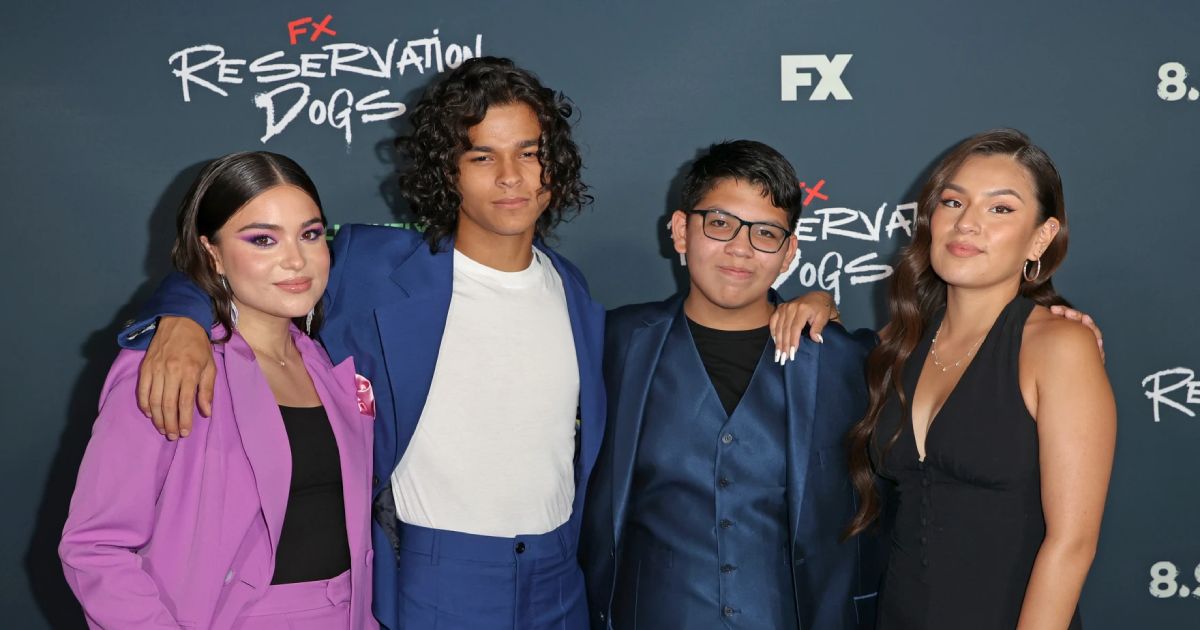
Sterlin Harjo, a citizen of the Seminole Nation of Oklahoma and a Muscogee descendant, co-created and led this comedy about Indigenous teenagers and their community in rural Oklahoma. FX states that every writer, director and series regular was Indigenous. Across three seasons, the show makes room for grief, jokes, elders, boarding-school history, friendship and ordinary small-town life without turning its characters into lessons for outsiders. Watch and read the production background on the official FX page.
Spirit Rangers
Created and showrun by Karissa Valencia, a citizen of the Santa Ynez Band of Chumash Indians, Spirit Rangers follows Chumash and Cowlitz siblings who protect a California park by transforming into animal spirits. The preschool series used an all-Native writers’ room and worked with Native communities on stories drawn from different Nations. Its modern family and environmental themes make it a useful alternative to children’s media that places Native people only in the past. See the Netflix media page.
Fancy Dance
Erica Tremblay of the Seneca-Cayuga Nation directed, co-wrote and produced Fancy Dance. Lily Gladstone and Isabel Deroy-Olson play an aunt and niece searching for a missing relative while preparing for a powwow. The film joins a family story to failures in the response to missing Indigenous women without reducing its characters to the issue. Cayuga language and Seneca-Cayuga community context are part of the work. Apple lists the film and its production credits on the Fancy Dance press page.
Rez Ball
Sydney Freeland, a Diné filmmaker, directed and co-wrote Rez Ball with Sterlin Harjo. The sports drama follows a Native high-school basketball team in New Mexico after the loss of a star player. Its familiar underdog structure makes room for Navajo language, community life and the distinctive culture around reservation basketball. Production took place in New Mexico, including work on the Navajo Nation with permission and support from the relevant Tribal governments. Netflix’s production announcement identifies Freeland as director, screenwriter and executive producer.
Prey
Prey places a young Comanche woman at the center of the Predator franchise. Director Dan Trachtenberg and writer Patrick Aison are not Native, so the film belongs on this list because Comanche and Blackfeet producer Jhane Myers held meaningful creative authority, worked with Comanche cultural and language experts, and helped assemble a cast made up largely of Native and First Nations actors. The production also released a complete Comanche-language version. The official production notes document the credits and language work.
Frybread Face and Me
Billy Luther, a Navajo, Hopi and Laguna Pueblo filmmaker, wrote and directed this coming-of-age story about a Navajo boy from San Diego spending a summer with relatives on the Navajo Nation. The film uses humor and family tension to explore language, gender expectations and belonging. It features a mostly Navajo cast and was filmed with an almost entirely Indigenous crew. The Native Arts and Cultures Foundation provides a filmmaker and production profile.
Sugarcane
Julian Brave NoiseCat, a member of the Canim Lake Band Tsq’escen and descendant of the Lil’Wat Nation, co-directed Sugarcane with Emily Kassie. The documentary follows the Williams Lake First Nation’s investigation of abuse and missing children connected to the former St. Joseph Mission residential school in British Columbia. NoiseCat’s family history is part of the film, while the community and survivors retain their own voices. The subject includes abuse, death and intergenerational trauma; viewers should consult the official film page before using it in a classroom or group setting.
Rutherford Falls
Sierra Teller Ornelas, who is Navajo, co-created, executive produced and served as showrunner of Rutherford Falls. The comedy centers a fictional town’s dispute over public history, a founder’s monument and the neighboring Minishonka Nation. Its Native characters disagree with one another, run institutions, make mistakes and deliver jokes rather than appearing as a single moral voice. The production employed five Native writers, including Ornelas, Jana Schmieding, Bobby Wilson, Tai Leclaire and Tazbah Chavez. The University of Arizona production profile records the creative team.
How to evaluate Native creative leadership
Check the full credits. Identify who created, wrote, directed, produced and edited the work. Then verify each public affiliation through the person’s own biography, Nation, distributor or a Native-led institution. A marketing claim that a project is authentic is weaker than a named creative team with clear authority.
Also distinguish consultation from decision-making. Cultural advisers can improve a production, but consultation does not necessarily give them control over the script, budget or final cut. Strong coverage explains both the Native leadership that existed and any limits.