Urban Indian Health Programs: How to Find Care in a City
To find urban Indian health care, start with the Indian Health Service’s Urban Indian Organizations directory, then call the program before traveling. Ask whether it offers the service you need, accepts new patients and can help confirm your eligibility and coverage.
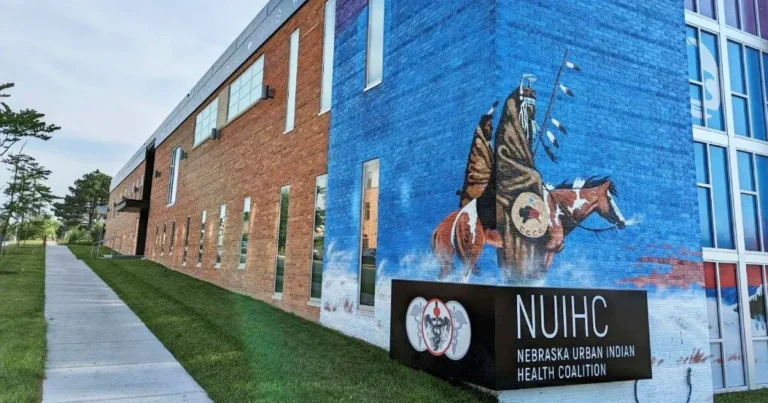
Urban Indian Organizations, or UIOs, connect American Indian and Alaska Native people in cities with health care and community support. Some operate medical clinics; others focus on outreach, referrals or substance-use treatment. The right starting point depends on the organization and your needs.
A quick checklist for finding care
- Find a program: Use the IHS directory or the National Council of Urban Indian Health directory to reach an organization’s official website.
- Confirm the service and location: Ask about appointments, new-patient openings, wait times and the correct clinic address.
- Check registration requirements: Explain where you live and ask which eligibility documents the program accepts.
- Ask about costs and protections: Request help from patient registration or a benefits coordinator before assuming you must pay a fee.
- Clarify outside referrals: Find out who will pay for specialists, laboratory work, imaging or medicines provided elsewhere.
For a medical emergency, call 911 or go to an emergency department. Do not wait for routine registration, insurance approval or Tribal documents before seeking emergency care.
What is an Urban Indian Organization?
UIOs are the “U” in the I/T/U health system: federally operated Indian Health Service facilities, Tribally operated health programs and Urban Indian Organizations. These providers have different governance and eligibility arrangements. A clinic’s city address alone does not make it a UIO.
The IHS description of UIOs identifies them as nonprofit organizations with boards composed of at least 51 percent American Indian or Alaska Native members. Their urban Indian health programs operate under Title V of the Indian Health Care Improvement Act.
Community leadership is central to their history. The IHS Urban Indian Health Program manual describes Native organizing and volunteer clinics that helped establish urban health services before Congress authorized Title V in 1976. For the broader system, see our guide to the Indian Health Service, eligibility and coverage limits.
Use current directories, then verify locally
The IHS directory groups organizations holding current Title V contracts by IHS area. NCUIH’s directory provides names, addresses, telephone numbers and website links. On October 27, 2026, NCUIH listed 41 organizations contracting with IHS. That is an organization count, not a count of individual clinics: one organization may operate multiple sites.
Confirm details on the organization’s own website and by phone. A mailing address may differ from a clinic entrance, and dental, medical and behavioral-health appointments may be at separate locations. Ask about transportation assistance, telehealth, interpreters or accessibility accommodations if those would help you attend.
If there is no nearby UIO, use the IHS health-care locator to look for IHS and Tribally operated facilities. Call those facilities separately about eligibility and available care; registration at one program does not establish access to every other program.
Another option is HRSA’s Find a Health Center. HRSA-supported health centers provide care to people with or without insurance and use fees based on ability to pay, as explained in HRSA’s patient guidance. They may provide a practical alternative while you arrange care with an Indian health program.
Who qualifies for urban Indian health services?
Title V eligibility is broader in some respects than enrollment in a federally recognized Tribe alone. The IHS manual includes certain Tribal members and their first- or second-degree descendants, people connected to groups terminated since 1940, members of Tribes recognized by the state where they reside, and Alaska Native people. It also identifies additional federal determination categories.
The urban area served matters, too. Ask the program to evaluate your situation under the rules for the service you need. An ancestry claim alone does not guarantee care, but not having an enrollment card should not stop you from asking which documents or alternative eligibility routes may apply.
Some organizations also serve a broader population through community health-center funding or other programs. Family members may qualify under different rules. Ask about each person’s eligibility rather than assuming that a spouse or child is automatically included or excluded.
A useful first-call script is: “I live in [city or ZIP code] and need [service]. Are you accepting new patients? Which eligibility rules and documents apply, and can someone help me if I do not have all the paperwork?” If the program cannot serve you, ask for another local care option.
Which services do UIOs provide?
IHS identifies four general service models. These describe the kinds of programs available nationally, not a guaranteed package at every organization.
| Program model | What to check |
|---|---|
| Full ambulatory care | A range of outpatient clinical services. Confirm the specific medical, dental, pharmacy or behavioral-health service you need. |
| Limited ambulatory care | A narrower set of outpatient services. Ask what is provided onsite and what requires an outside provider. |
| Outreach and referral | Help connecting with care, benefits or community resources. The organization may not operate a full medical clinic. |
| Alcohol and substance-use treatment | Outpatient or residential treatment services. Ask about admission, waitlists and coordination with other health care. |
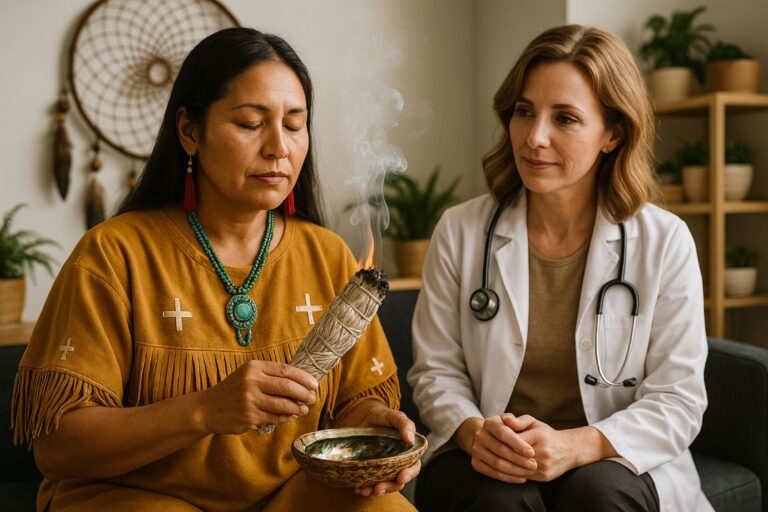
Depending on the organization, care may include preventive visits, diabetes services, counseling, substance-use treatment, nutrition support and youth or elder programs. Some offer traditional healing or culturally specific activities. Ask what is available and how to participate; these services are not identical across communities, and not every activity is supported by IHS funding.
Also ask how to contact the care team after hours and whether the clinic can coordinate with your existing provider. If you need a prescription refill, confirm the appointment and pharmacy arrangements before your supply runs low.
What to bring to your first appointment
Use the clinic’s registration list as the authority. Depending on your situation, useful items may include:
- Identification and Tribal membership, descent or other eligibility documents the program accepts.
- Proof of address, if requested for the service area.
- Medicaid, Medicare or private-insurance information, if you have coverage.
- A list of medicines, doses and allergies, plus relevant records or test results.
- Contact details for your usual clinicians and pharmacy.
- Income and household information if applying for financial assistance.
Tell registration staff about missing documents before the visit and ask what help is available. Use the clinic’s secure portal or approved registration method for sensitive information. Avoid sending identity cards or medical records to an unofficial social-media account.
Is urban Indian health care free?
There is no single fee answer for every service and patient served by a UIO. Eligibility, insurance protections, the funding supporting a service and the organization’s assistance policies all matter. A clinic billing your insurer does not necessarily mean it should bill you.
HealthCare.gov describes protections from out-of-pocket costs for eligible American Indian and Alaska Native patients receiving care through IHS, Tribal and urban Indian programs. Its Medicaid and CHIP guidance also explains premium and cost-sharing protections for qualifying patients. Ask a benefits coordinator to check that applicable protections are recorded correctly.
For services or patients outside those protections, ask about discounts or financial assistance. For example, Seattle Indian Health Board publishes a sliding-fee policy based on household income and size. That is one organization’s policy, not a national UIO fee schedule.
UIO care is not a comprehensive insurance policy. Insurance can help cover services the program does not provide, and Marketplace enrollment does not prevent you from continuing to use Indian health services for which you qualify. Marketplace-specific Tribal protections use their own eligibility definitions; qualifying for a UIO service does not automatically qualify you for every insurance benefit.
Before nonemergency care, ask whether the exact service is covered, whether an outside laboratory or pharmacy will bill separately, and what assistance applies if you are uninsured. Request an explanation of any proposed patient charge rather than assuming it is correct.
A referral is not a promise to pay an outside bill
A UIO may help arrange specialty care without paying the outside provider. Ask separately about the clinical referral, insurance authorization and payment authorization. These are different steps, and approval of one does not establish all three.
Purchased/Referred Care, or PRC, operates through IHS and Tribal programs. UIOs do not operate PRC programs; the VA’s I/T/U provider guide also distinguishes UIOs from programs eligible for PRC participation. Receiving care at a UIO does not itself establish PRC eligibility.
If you may qualify separately through an IHS or Tribal PRC program, contact that office. IHS states that even an IHS referral does not guarantee payment. Requirements include affiliation, residence, notification, medical priority and use of other available coverage. Funding also limits what can be purchased.
For a planned outside visit, confirm the provider, authorized service, payer and any expected patient cost in writing when possible. If a bill arrives, contact both the billing provider and the clinic’s benefits or referral staff promptly. Keep the bill, insurer notices and authorization records; ask about corrections, assistance or appeal procedures as applicable.
Do not delay emergency treatment to obtain payment approval. CMS explains emergency-room screening and stabilization rights regardless of insurance or ability to pay. Those treatment rights do not by themselves mean the resulting care is free.
The most useful first step is a conversation with the local program: explain the care you need, establish the right registration pathway and ask who can help coordinate the next appointment. You do not need to understand the entire funding system before asking for help.